
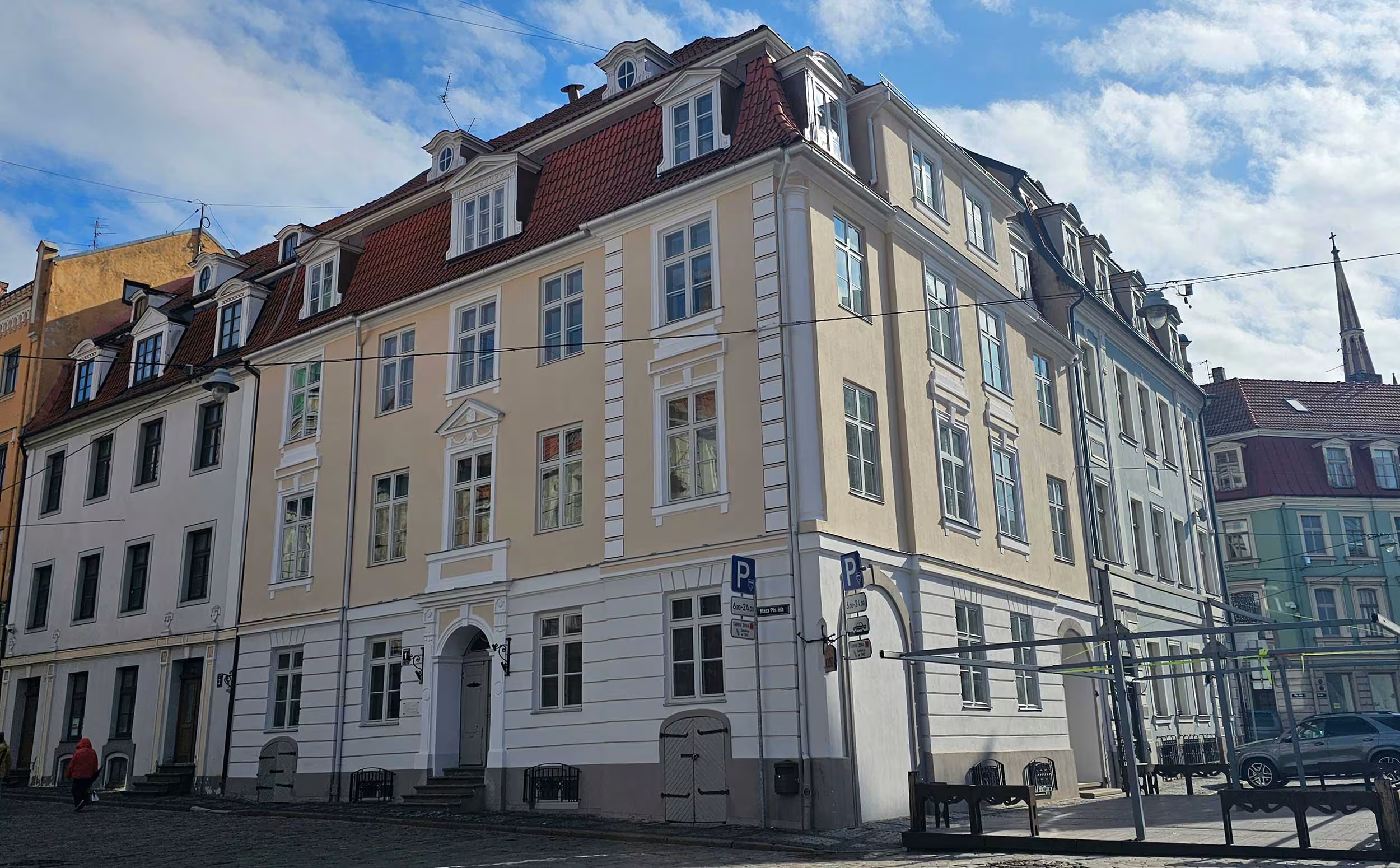
The historical building at 1 Pils Street is a witness to the evolution of Riga from a medieval Hanseatic port to a modern European capital. Dating back to the 15th century, this building represents a complex tapestry of architectural layers where each era has left its mark.
Renovating a site with such deep roots is not merely about repairing walls. It is an act of listening to the silent stories embedded in the mortar and timber. Our approach, led by Barbara Bula and Anete Soldāne, was to act less like builders and more like surgeons. We sought to heal the building rather than transform it, ensuring that our interventions remained as invisible as possible.
Honoring the Medieval Carpentry
The heart of this project lies in the unique wooden roof structure, a true masterpiece of medieval carpentry that tells the story of craftsmen who built with simple tools but immense skill.

We chose to save the soul of the roof by carefully removing only the rotted sections and splicing in new, healthy timber using joinery techniques that respect the original construction logic. This means visitors can still see the ancient axe marks and joints that have held the building together for hundreds of years. We applied this same philosophy to the staircase, reinforcing the original steps to meet safety standards while preserving the wear that signifies centuries of use.
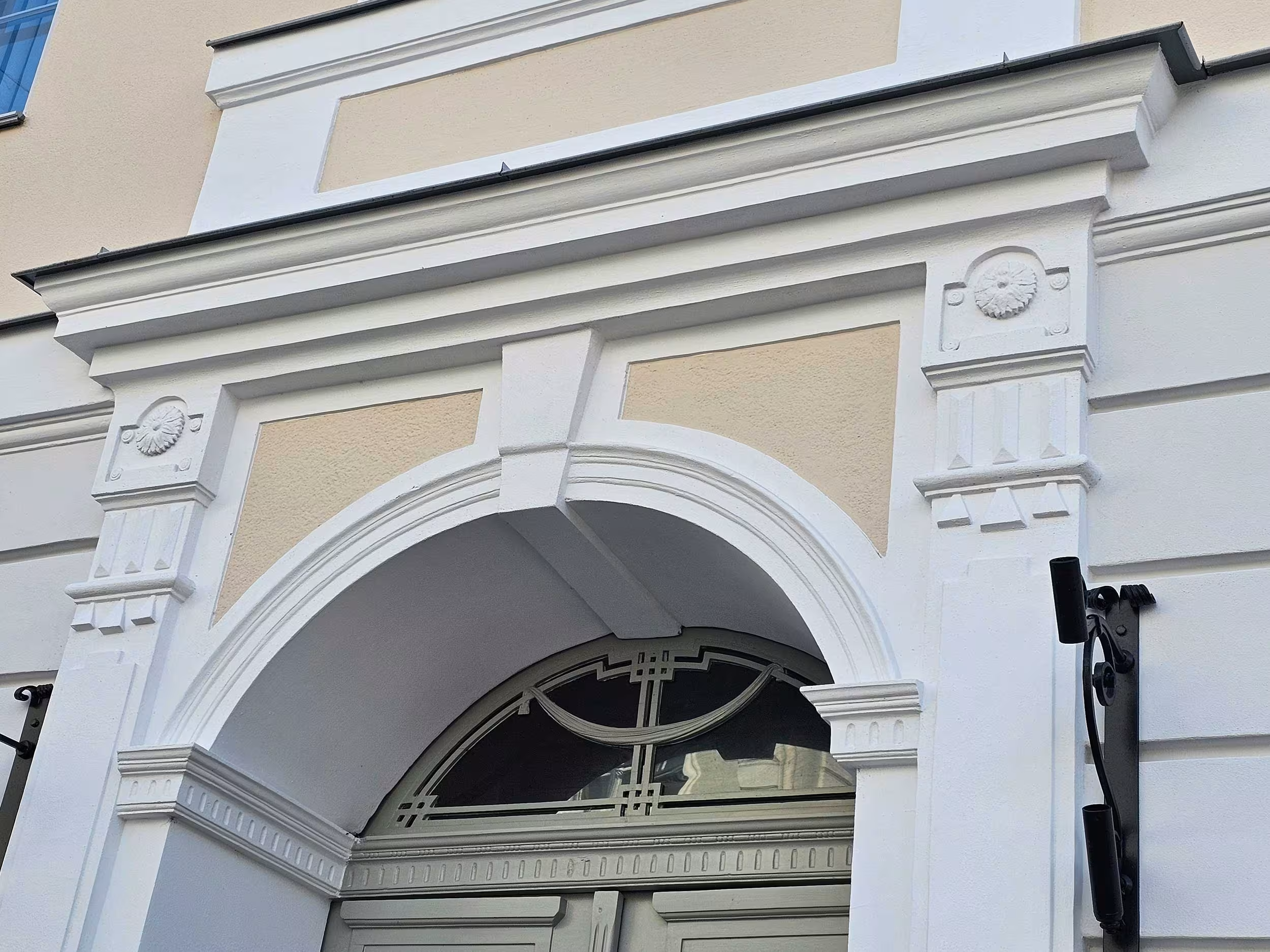
A Modern Twist in the Courtyard
While our touch on the historic fabric was conservative, our work in the courtyard was transformative. We identified the backyard as an underutilized void and turned it into a vibrant heart for the building by creating a covered area with a roof terrace.
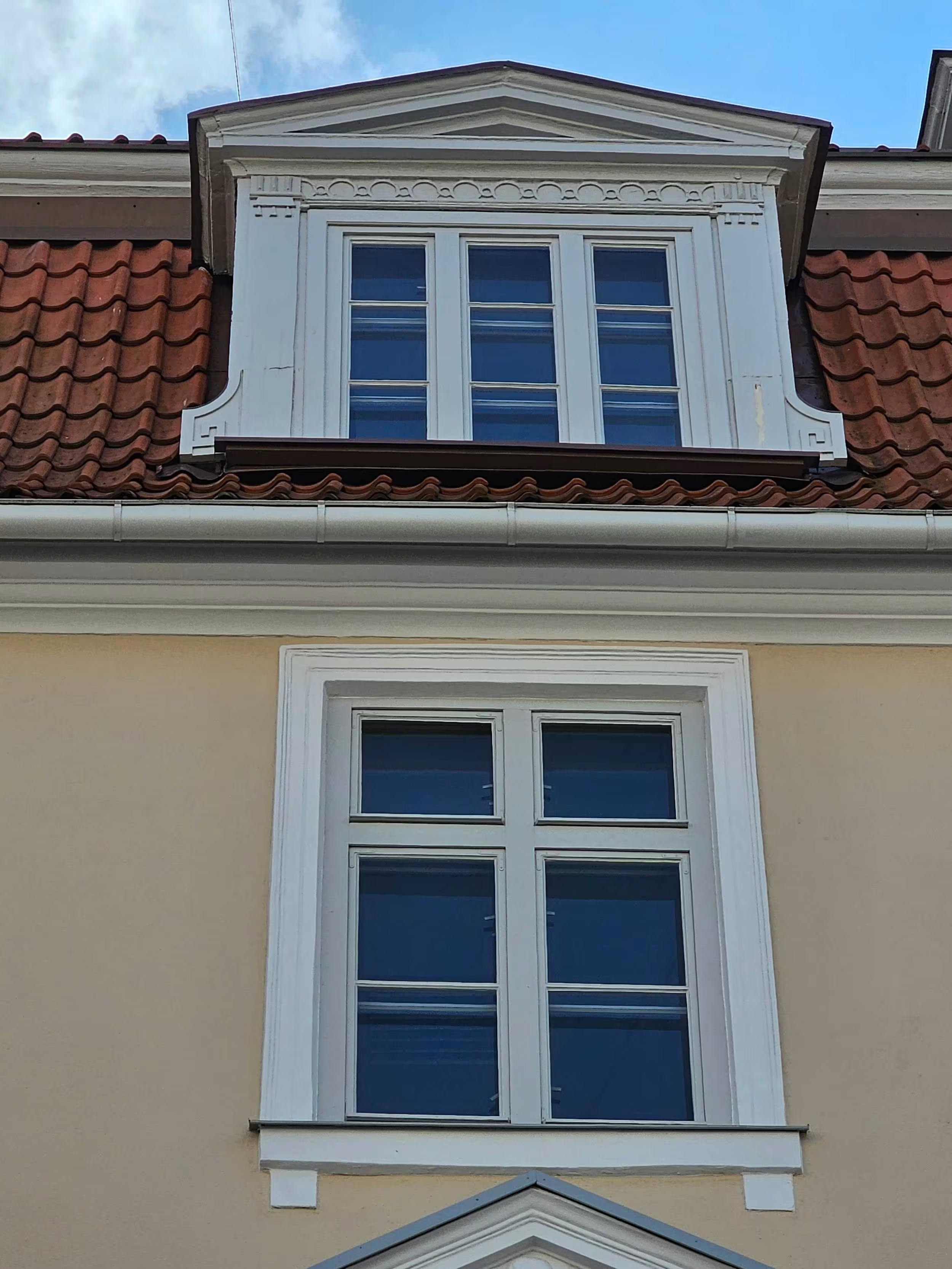
Following the principles of the Venice Charter, we ensured this new addition is clearly distinguishable from the historical structure by using light, transparent materials. This allows natural light to flood the space while creating a dynamic dialogue between the 15th century walls and the 21st century glass.
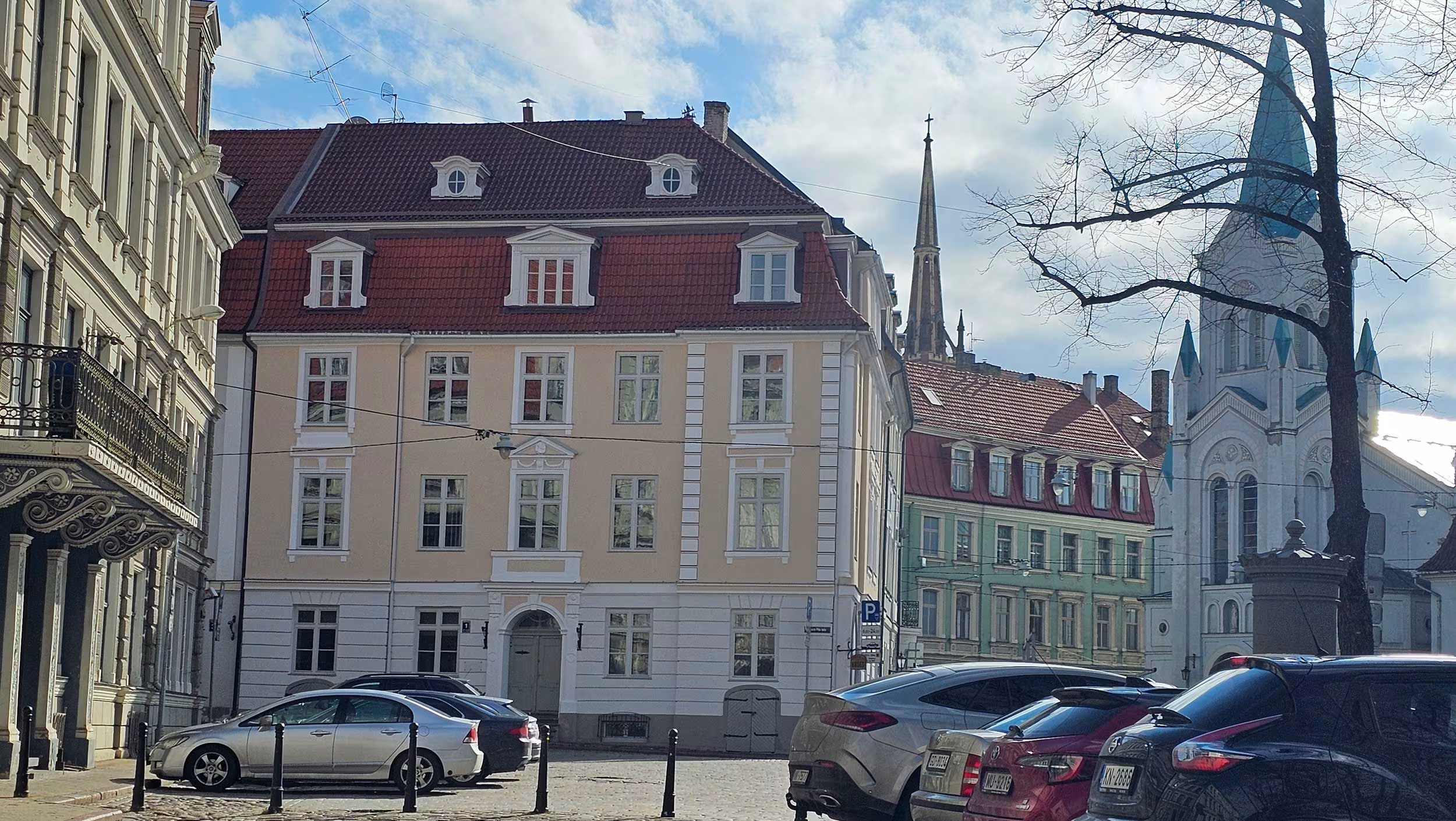
New Life for Old Walls
A building is only truly alive when it is used and this renovation prepared the site to house a restaurant. This function opens the building to the public, allowing residents and tourists to experience the historic atmosphere firsthand. Integrating modern kitchen ventilation and safety systems into a medieval shell required precise coordination to ensure technical needs did not dominate the space.
The result is a space that respects the past while embracing the future. We view ourselves as temporary custodians of these structures and our duty is to pass them on to the next generation in better condition than we found them.