
Designing Workspaces that Support Focus, Collaboration, and Well-Being
Office interior design has become an essential element of modern workplace culture. Offices are no longer simply places where employees sit at desks. They are environments that influence productivity, collaboration, creativity, and well-being.
At Barbara Bula Arhitekti, office interior design focuses on creating workplaces that combine functional efficiency, ergonomic comfort, and inspiring spatial design. Modern offices must support a variety of activities-from focused individual work to collaborative teamwork and informal social interaction.
Thoughtful interior design helps organizations build environments that attract talent, strengthen company culture, and improve the everyday experience of work.
Our office interior design approach focuses on:
- flexible workspace layouts that support different work styles
- clear spatial zoning for focus, collaboration, and social interaction
- comfortable lighting and acoustic solutions
- ergonomic furniture and workplace well-being
- natural materials and biophilic elements that enhance the work environment
Through these principles, offices become dynamic environments that support both productivity and human well-being.
Selected Office Interior Design Projects
Every office interior design project begins with understanding the organization's culture, work processes, and spatial needs. Our office interiors are designed to create environments that support collaboration, innovation, and everyday comfort.
Our Approach to Office Interior Design
Designing successful office environments requires balancing functional efficiency with the well-being of the people who use the space every day. Our approach focuses on three key principles.
01Activity-Based Workspaces
The modern workplace supports many different types of work. Employees may need quiet spaces for concentration, collaborative areas for brainstorming, and relaxed zones for informal meetings.
We design offices using activity-based workspace principles, which include:
- open workstations for daily tasks
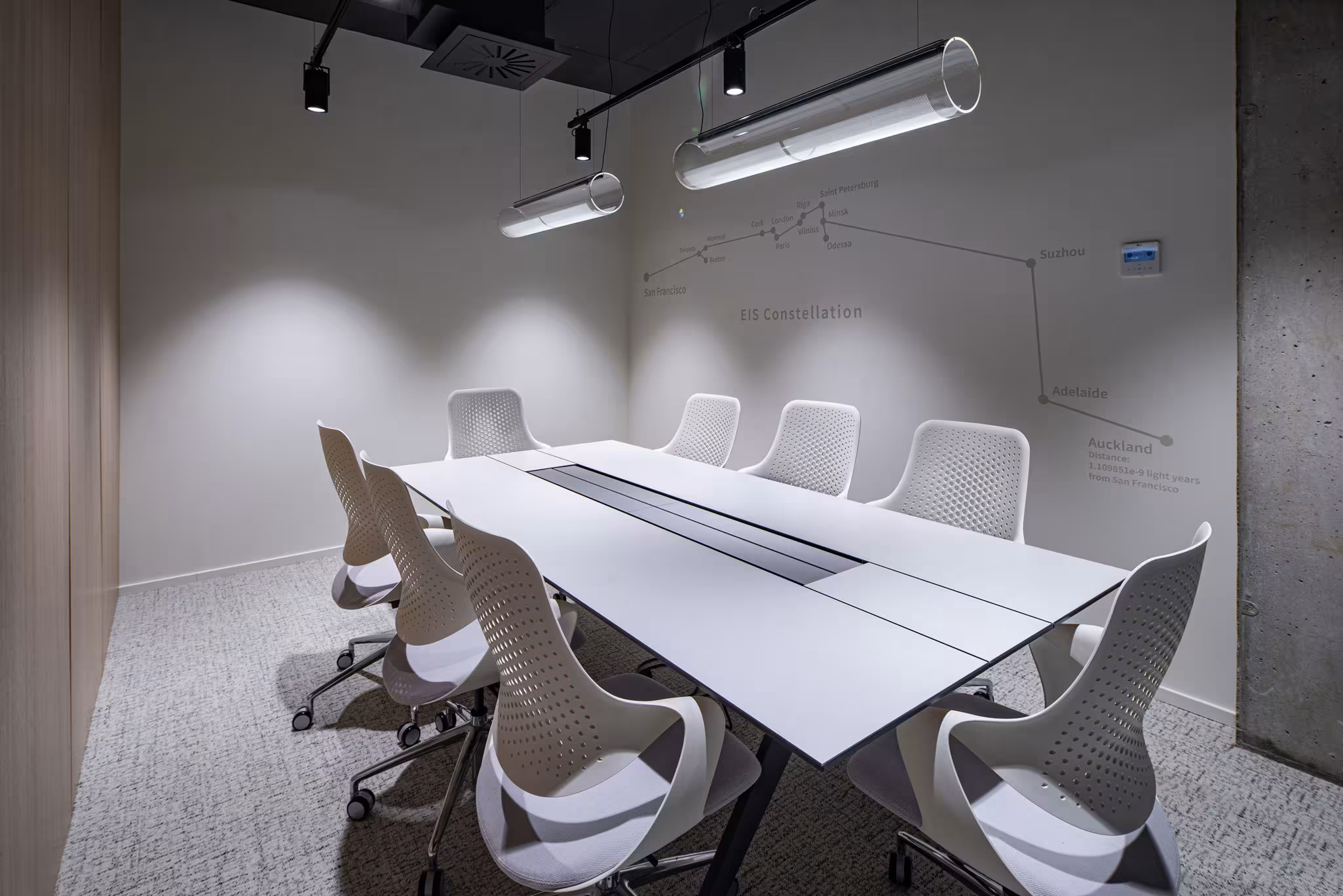
- meeting rooms for team collaboration
- quiet zones for focused work
- lounge areas for informal interaction
- shared social spaces such as kitchens or cafés
This variety of spaces allows employees to choose the environment that best supports their current activity.
02Comfort Through Acoustics, Lighting, and Ergonomics
Workplace comfort has a direct impact on productivity and employee satisfaction. Office interior design therefore pays careful attention to environmental factors such as sound, light, and ergonomics.
Our office interiors incorporate:
- acoustic flooring and panels to manage sound levels
- balanced lighting strategies that reduce glare and eye strain
- ergonomic furniture that supports healthy posture
- adjustable workstations that encourage movement throughout the day
These design strategies create workplaces that feel comfortable and sustainable for long working hours.
03Materials That Humanize the Workplace
Technology offices and corporate workplaces often contain large amounts of digital equipment and hard surfaces. To balance this environment, we introduce natural materials and textures that bring warmth and visual comfort.
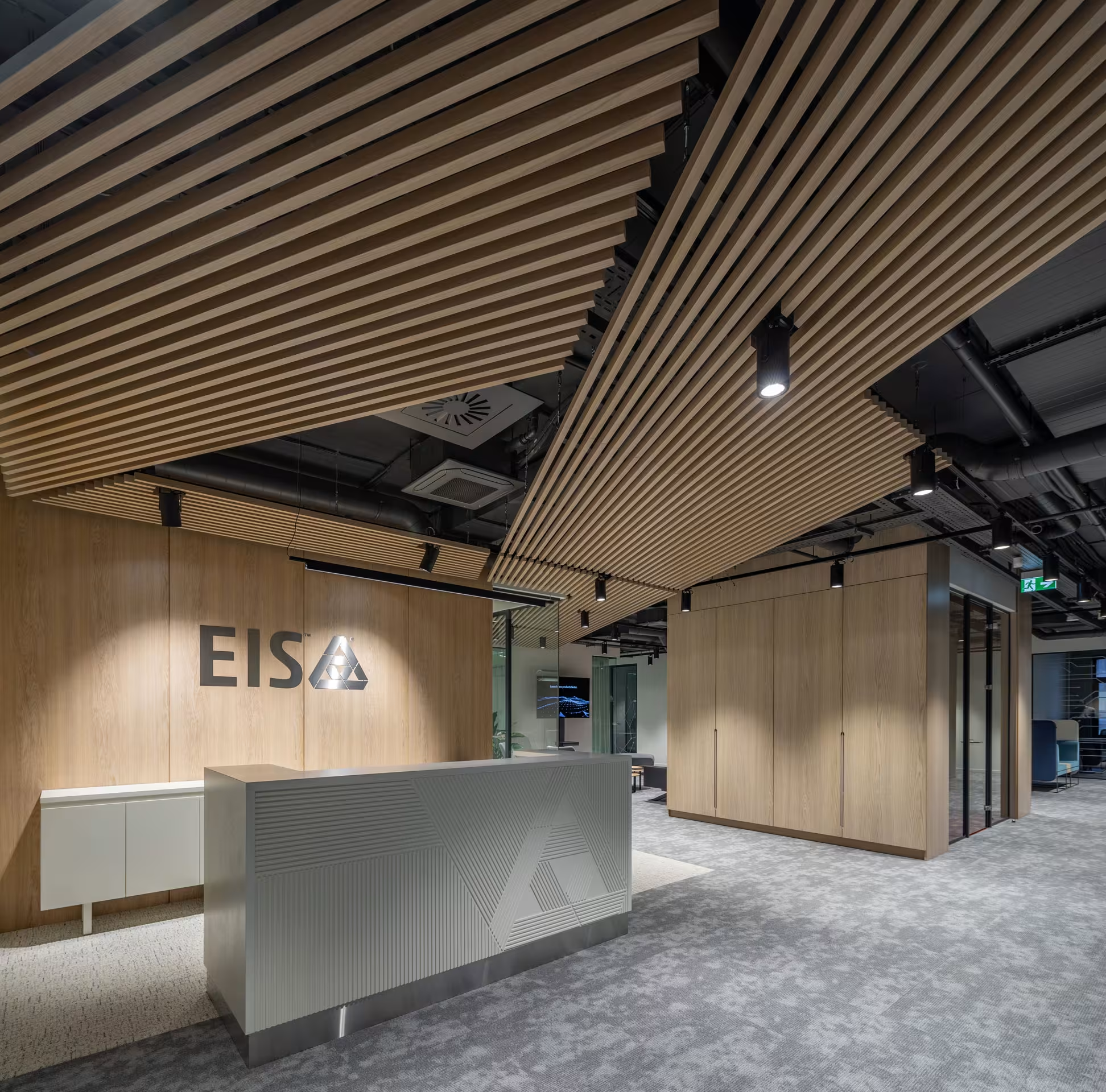
Wood finishes, textiles, greenery, and soft materials help create a more human atmosphere within the workspace. Plants and biophilic elements also improve air quality and create a stronger connection to nature.
These materials soften the workplace environment and contribute to a healthier and more welcoming office atmosphere.
Designing Offices that Support Company Culture
A well-designed office does more than organize desks and meeting rooms. It helps communicate the values and identity of an organization.
Open collaboration areas encourage teamwork. Informal lounges support spontaneous conversations. Shared kitchens and social spaces strengthen relationships between colleagues.
Through thoughtful spatial design, office interiors can help shape workplace culture and encourage innovation.
Flexible Workspaces for the Future
Work environments continue to evolve as companies adapt to new technologies and hybrid working models. Offices must therefore remain flexible and adaptable.
Our office interior design solutions prioritize flexible layouts, modular furniture systems, and adaptable spaces that can evolve with changing organizational needs.
This approach ensures that office interiors remain relevant and functional for many years.
Interior Design that Improves the Experience of Work
At Barbara Bula Arhitekti, office interior design is approached as a combination of architecture, workplace psychology, and spatial design.
By carefully balancing functionality, comfort, and atmosphere, we create office environments where people can focus, collaborate, and thrive.
Our goal is to design workplaces that support the rhythm of modern work while improving the daily experience of everyone who uses the space.