
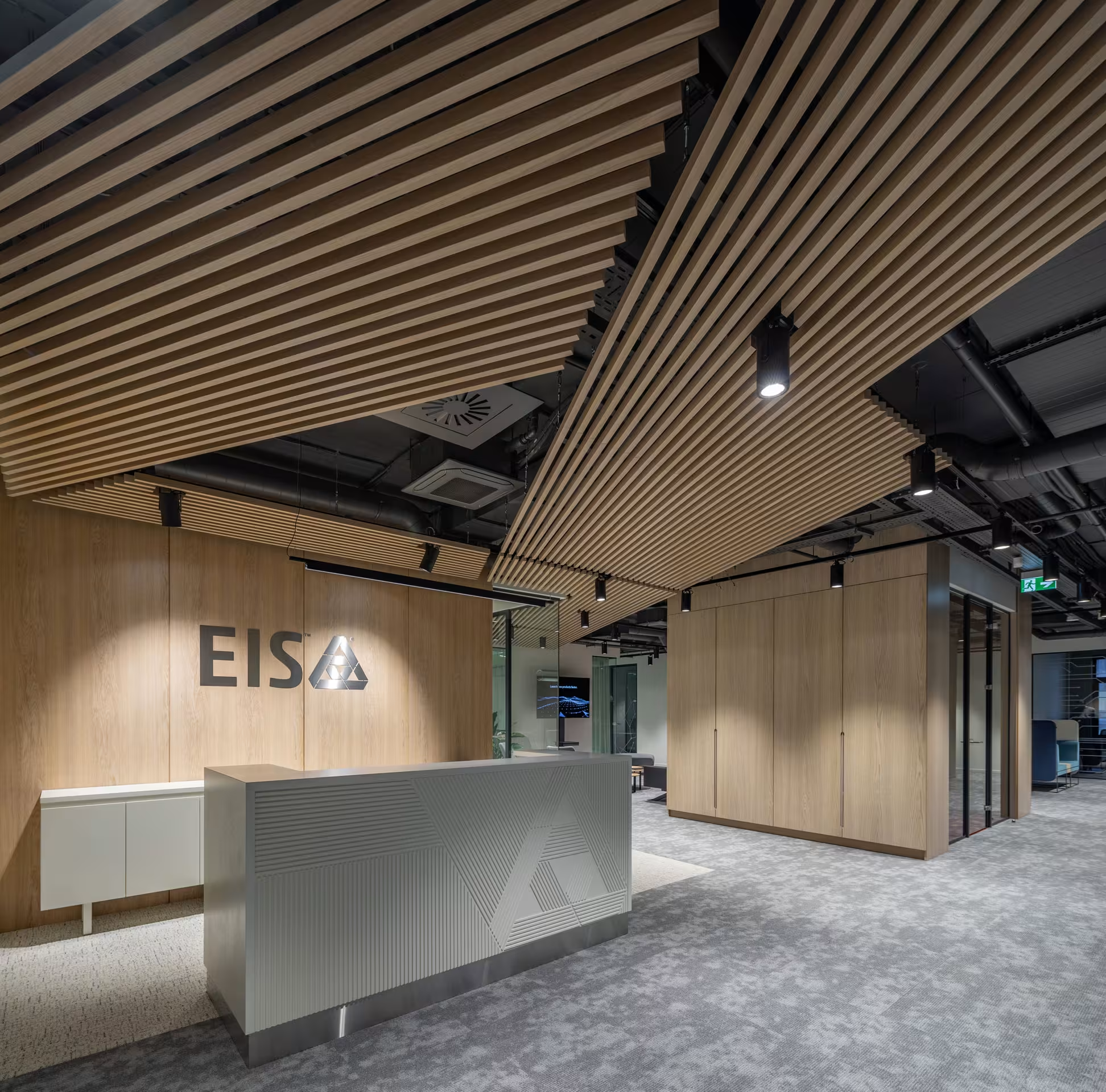
The definition of the corporate workspace has shifted dramatically in recent years. It is no longer merely a physical container for desks and computers. It has evolved into a strategic tool for recruitment, retention and corporate culture. In the competitive sector of information technology, the office environment must perform as highly as the software being developed within it. The project for EIS Group Latvia located in the vibrant Jaunā Teika district of Riga offered Barbara BulaArhitekti studio the opportunity to define what a modern tech headquarters should look like. Completed in 2020 this 1100 square meter facility is a testament to the power of thoughtful interior design to foster innovation and collaboration.
The Context
The location of the project set the tone for our design approach. Jaunā Teika is known as the smart city district of Riga. It is a hub for innovation where technology and lifestyle intersect. We wanted the EIS Group Latvia office to be a seamless continuation of this dynamic urban environment. The office design needed to reflect the forward-thinking nature of the neighborhood while providing a sanctuary of focus for the employees.
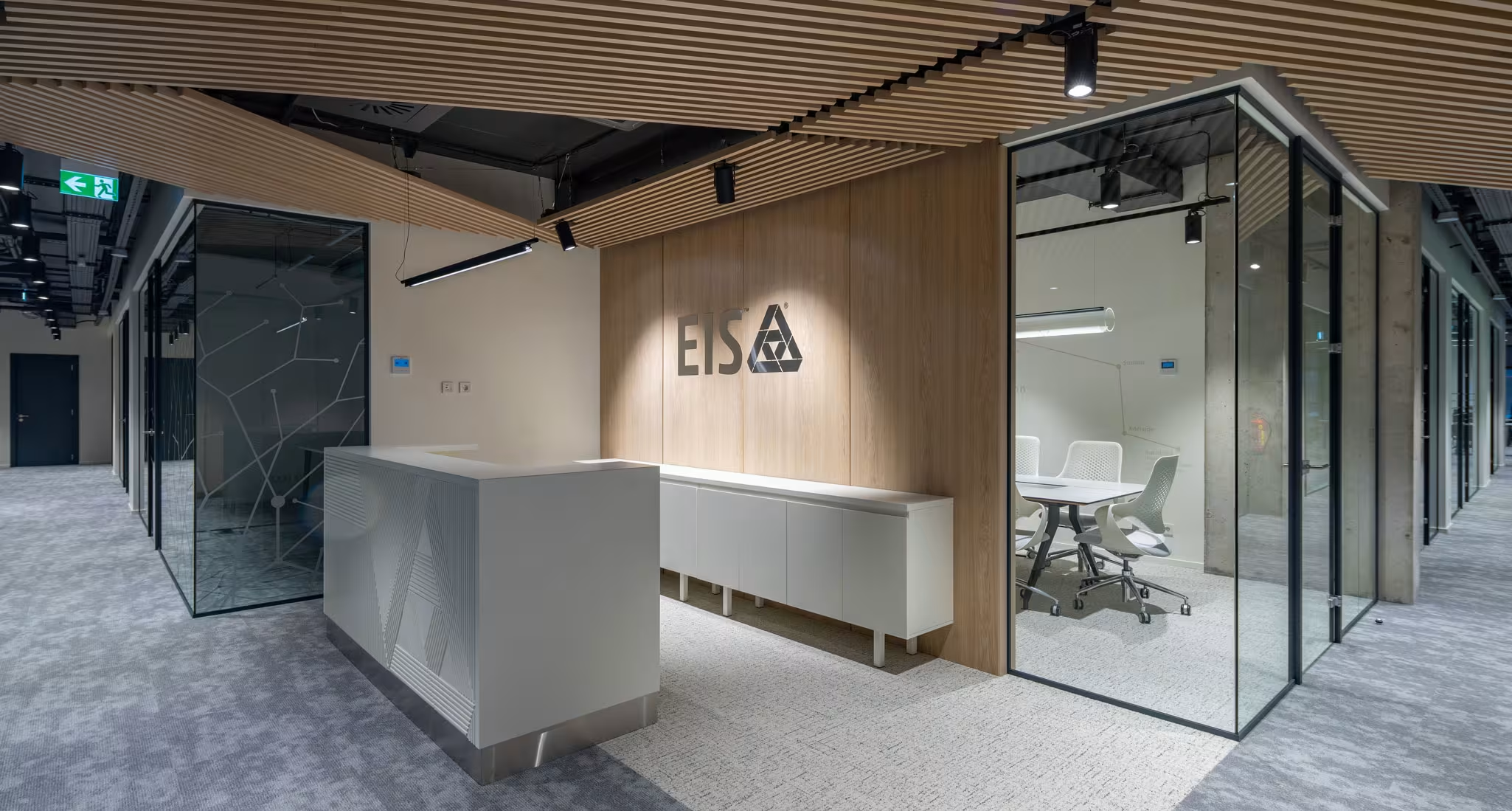
Our goal was to create a space that feels professional yet vibrant. We embraced a design language that balances industrial sleekness with human warmth. The large floor plate of 1100 square meters presented both a luxury of space and a challenge of scale. Primary task was to break down this vast area into human sized neighborhoods that encourage connection without sacrificing privacy.
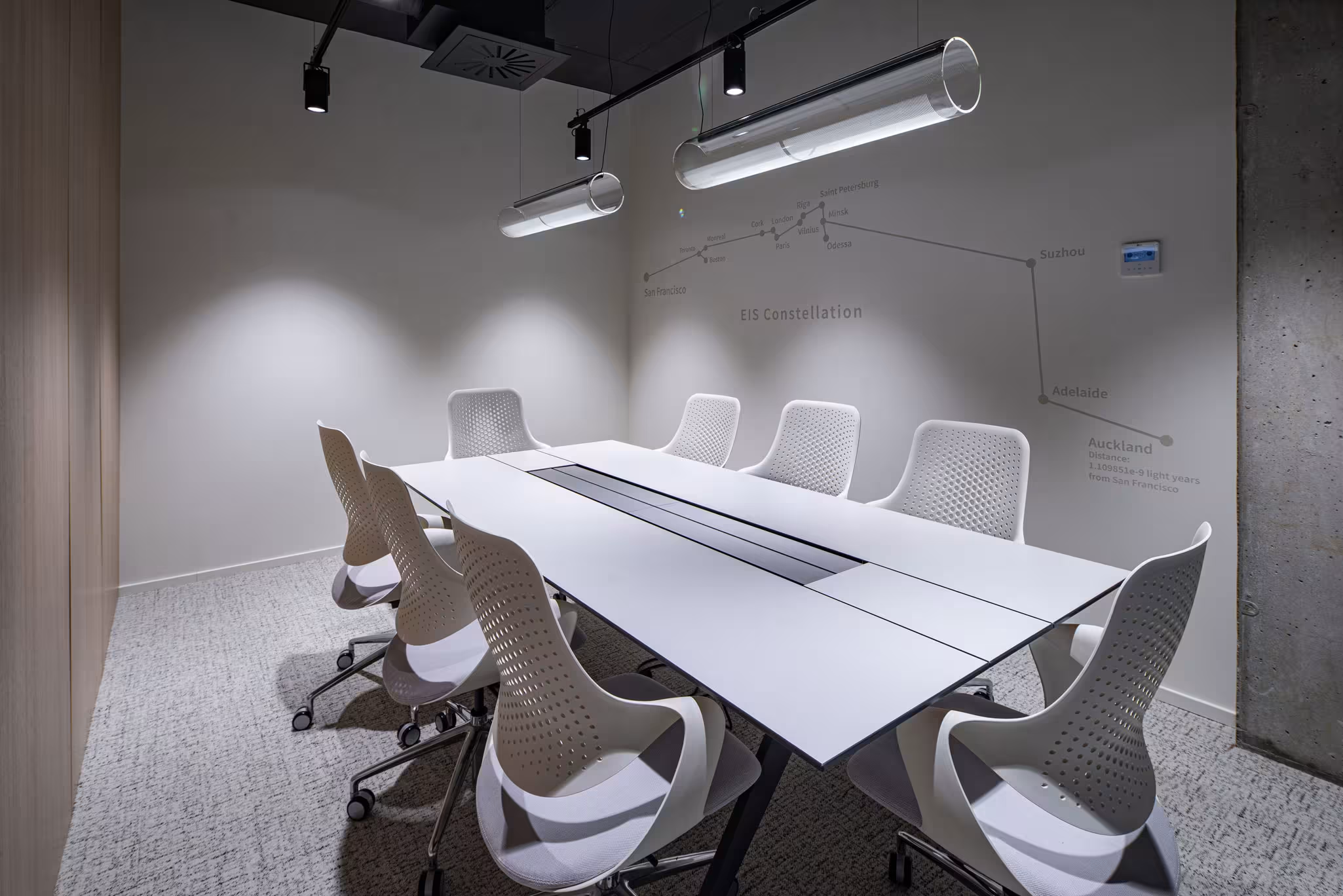
The Zoning Logic
Structuring a space of this magnitude requires a rigorous approach to zoning. We moved away from the traditional sea of desks in favor of a more nuanced layout. The floor plan is organized around the principles of activity-based working. This means that employees are not tethered to a single spot but have the freedom to choose a work setting that best suits their current task.
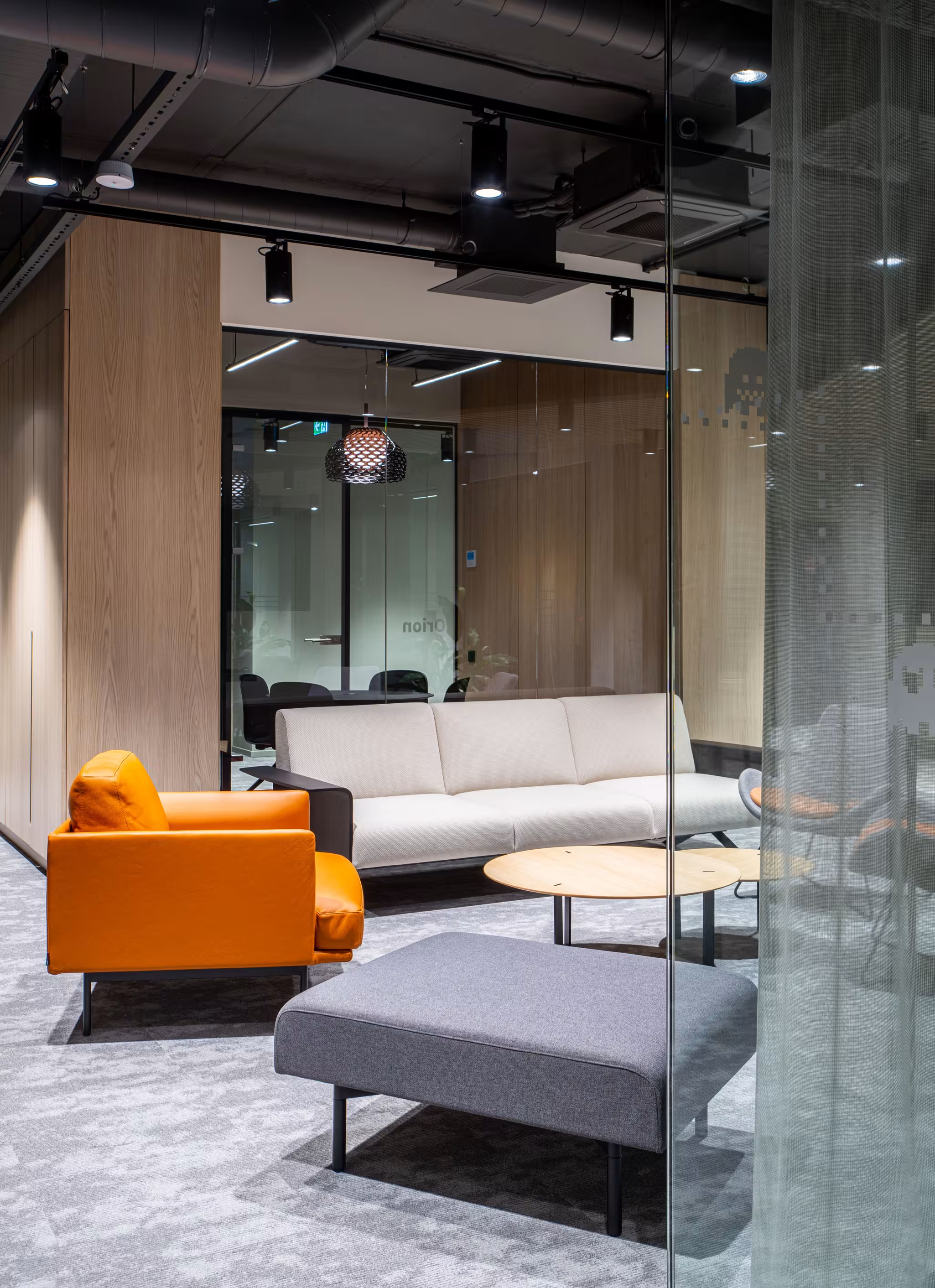
We created distinct zones for focused work and collaborative brainstorming and social interaction. The open plan areas are broken up by acoustic barriers and visual dividers. This prevents the space from feeling like a factory floor. We utilized custom joinery and greenery to create visual buffers. The circulation paths are wide and intuitive. They guide people through the office and encourage chance encounters between colleagues from different departments. These serendipitous interactions are often where the best ideas are born.
Acoustic Comfort and Flooring Solutions
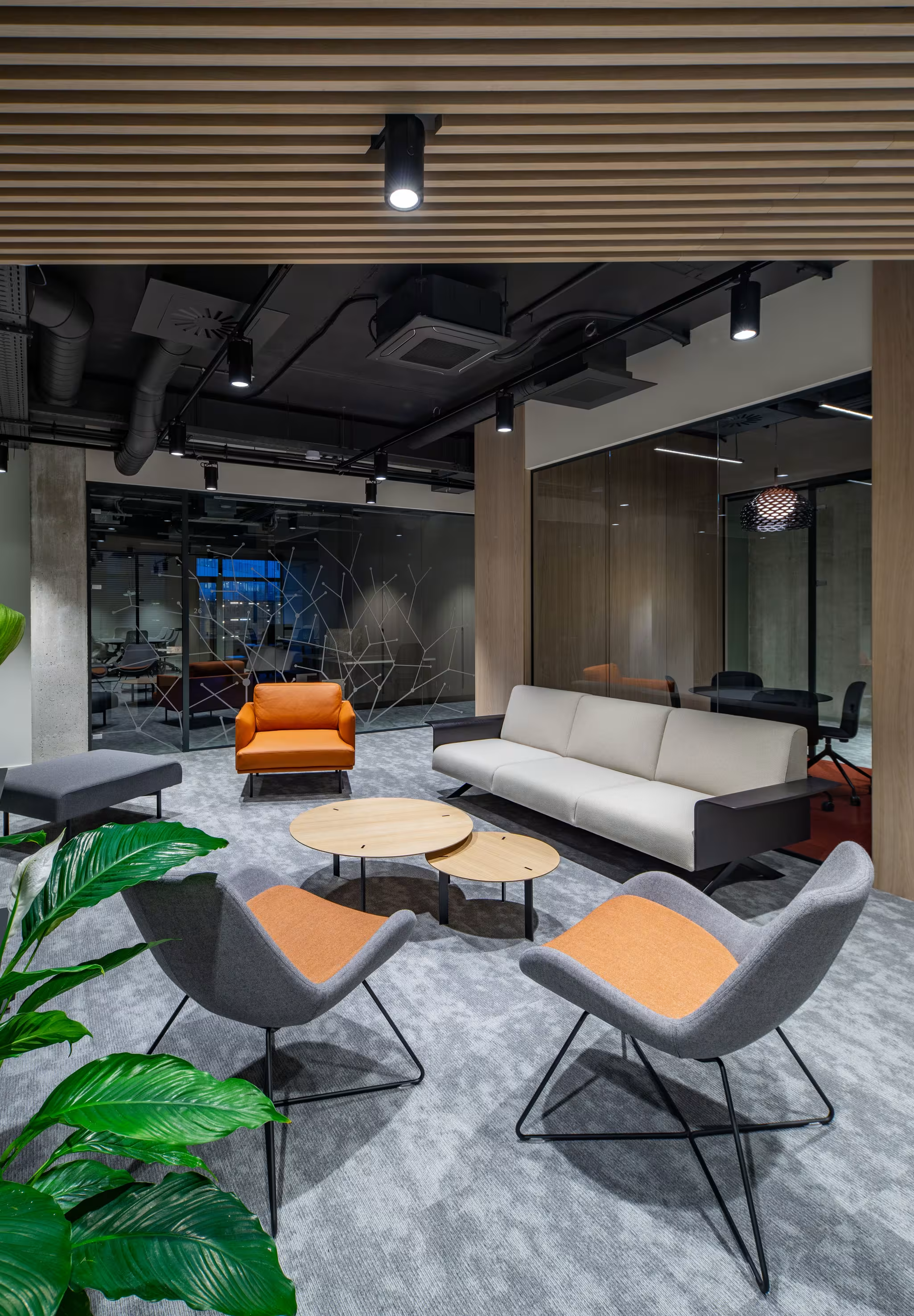
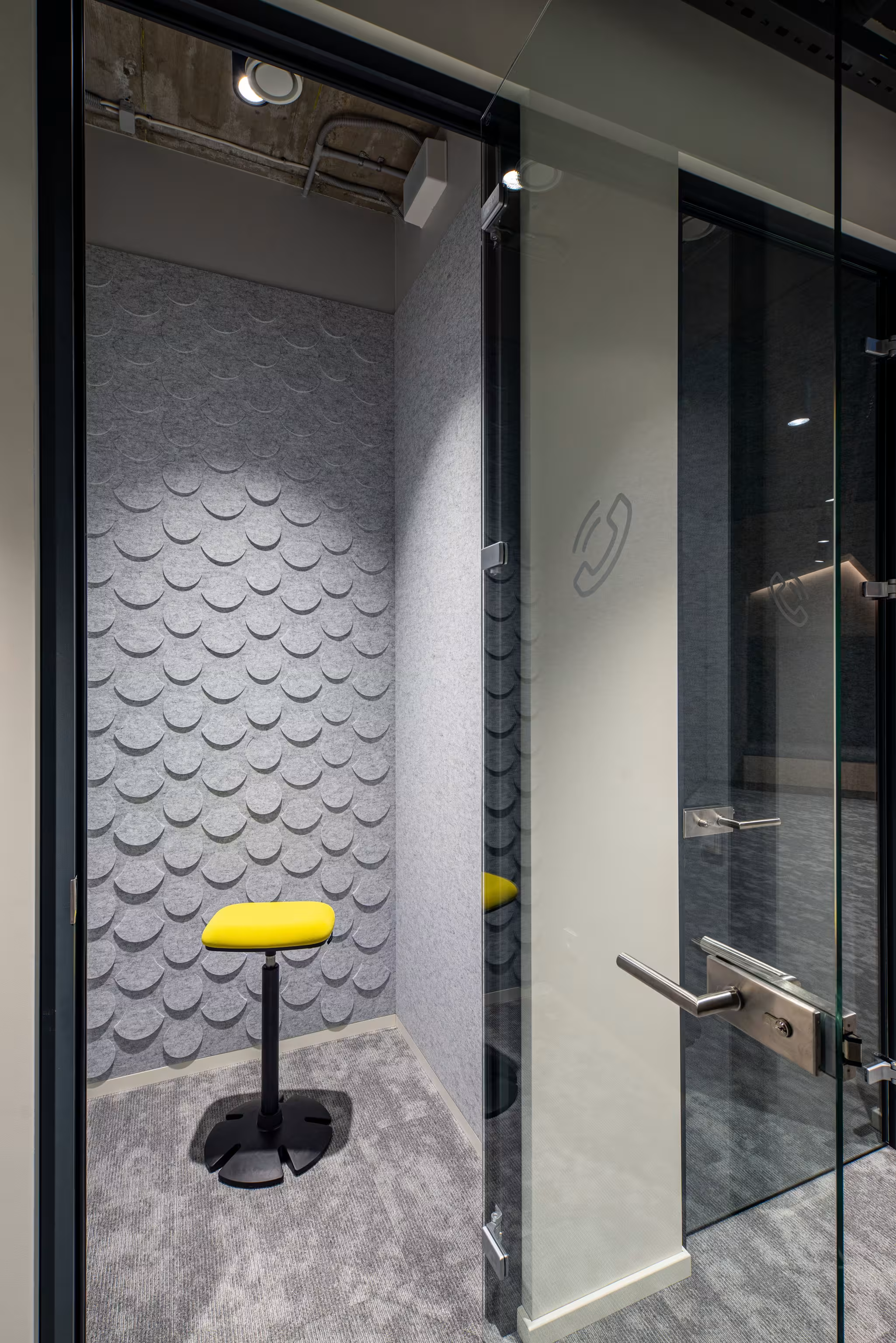
In an open plan workspace design acoustics are the invisible architecture that defines the success of the project. A noisy office is a stressful office. To manage sound levels, we collaborated with partners to select high performance flooring solutions.

We utilized carpet tiles with superior sound absorption qualities. We used color blocking and pattern changes in the carpet to subtly define different zones without the need for physical walls. This visual cueing helps to signal to the brain where the quiet zones end and the social zones begin. The texture of the floor adds a layer of softness to the interior which contrasts with the harder surfaces of the desks and glass partitions.
Lighting
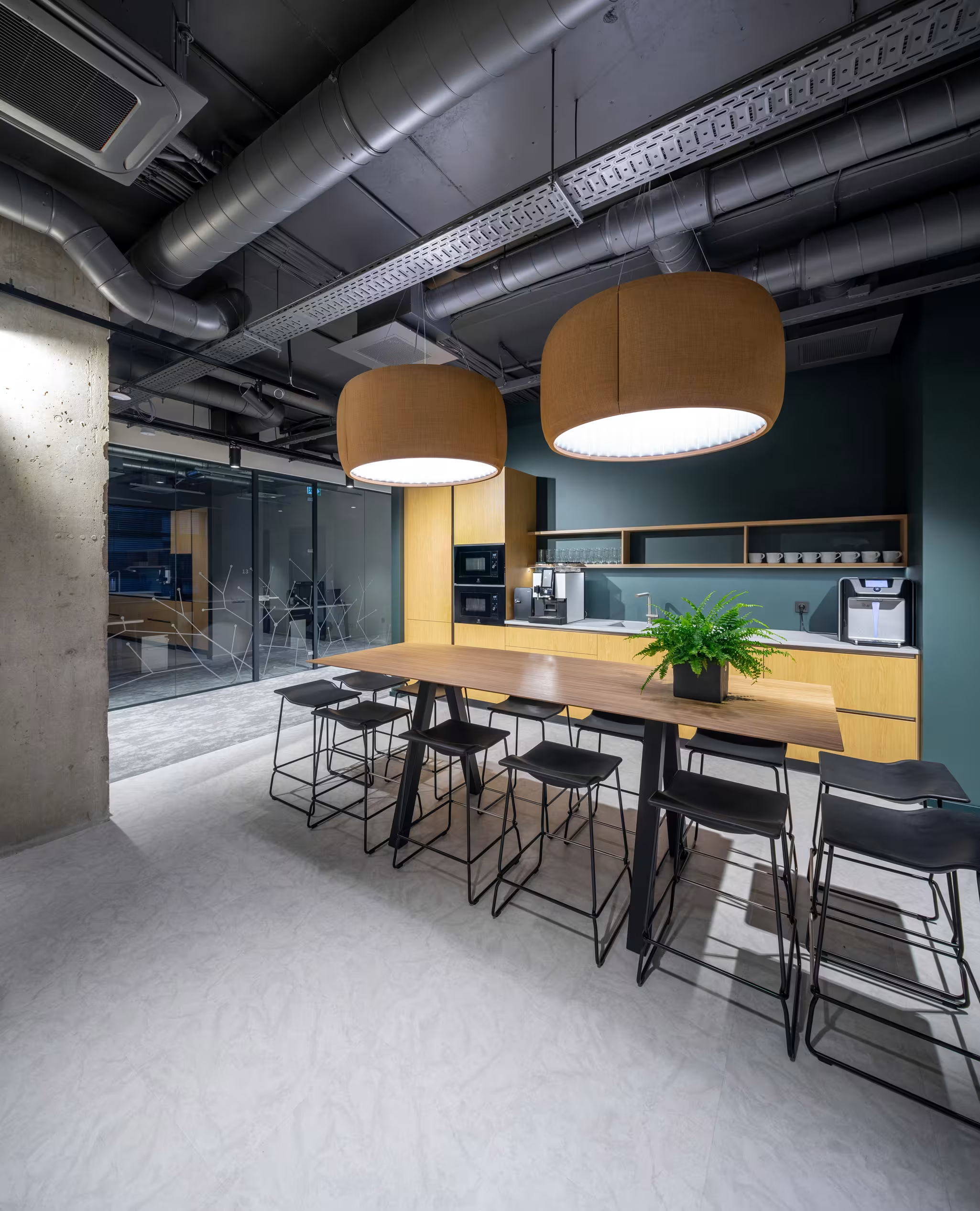
Lighting in a tech office must go beyond simple illumination. It must support the well-being of people who spend long hours in front of screens. Collaborating with partners, we developed a lighting scheme that is both functional and atmospheric.
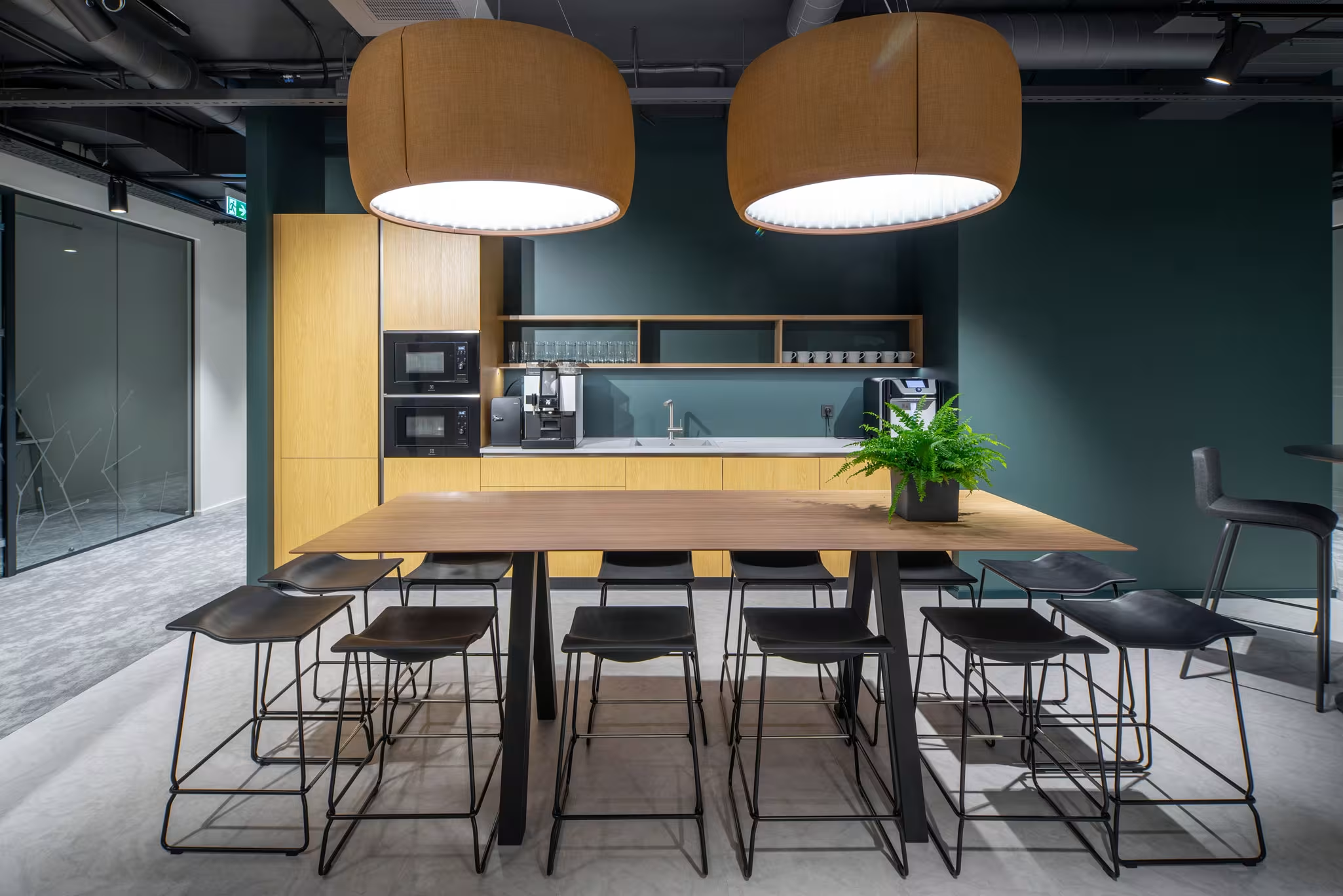
The general lighting provides a consistent and glare free level of brightness throughout the work areas. We incorporated task lighting at individual workstations to give employees control over their immediate environment. In the breakout areas and meeting rooms we used decorative fixtures to lower the visual ceiling and create a more intimate mood. The lighting temperature was carefully selected to mimic natural daylight patterns which helps to maintain circadian rhythms and keep energy levels high throughout the day.
Furniture and Ergonomics
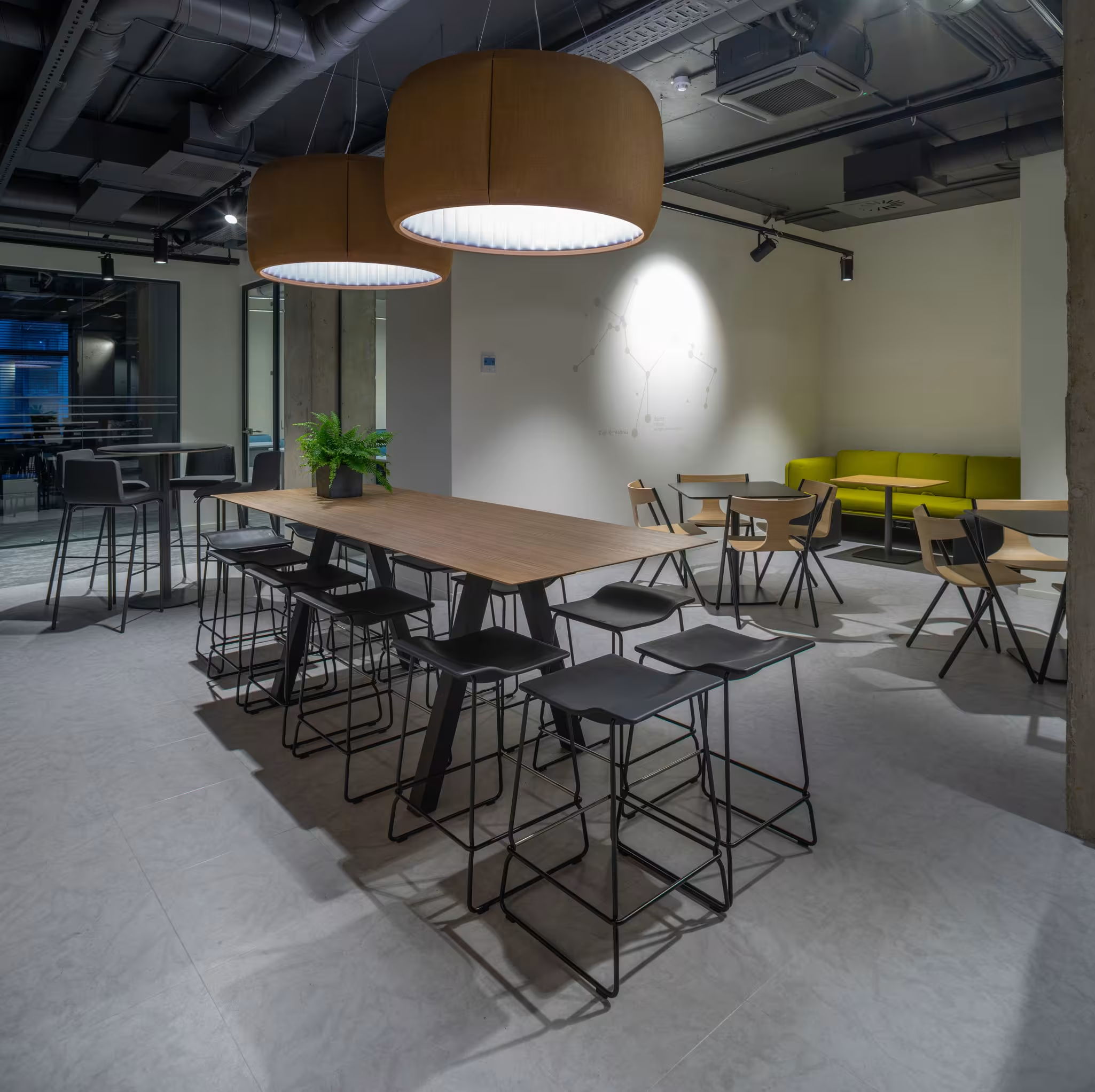
The health of the team is paramount. We worked closely with partners to source furniture that meets the highest ergonomic standards. The workstations feature sit-stand desks that allow employees to change their posture throughout the day. This flexibility reduces physical strain and promotes long term health.
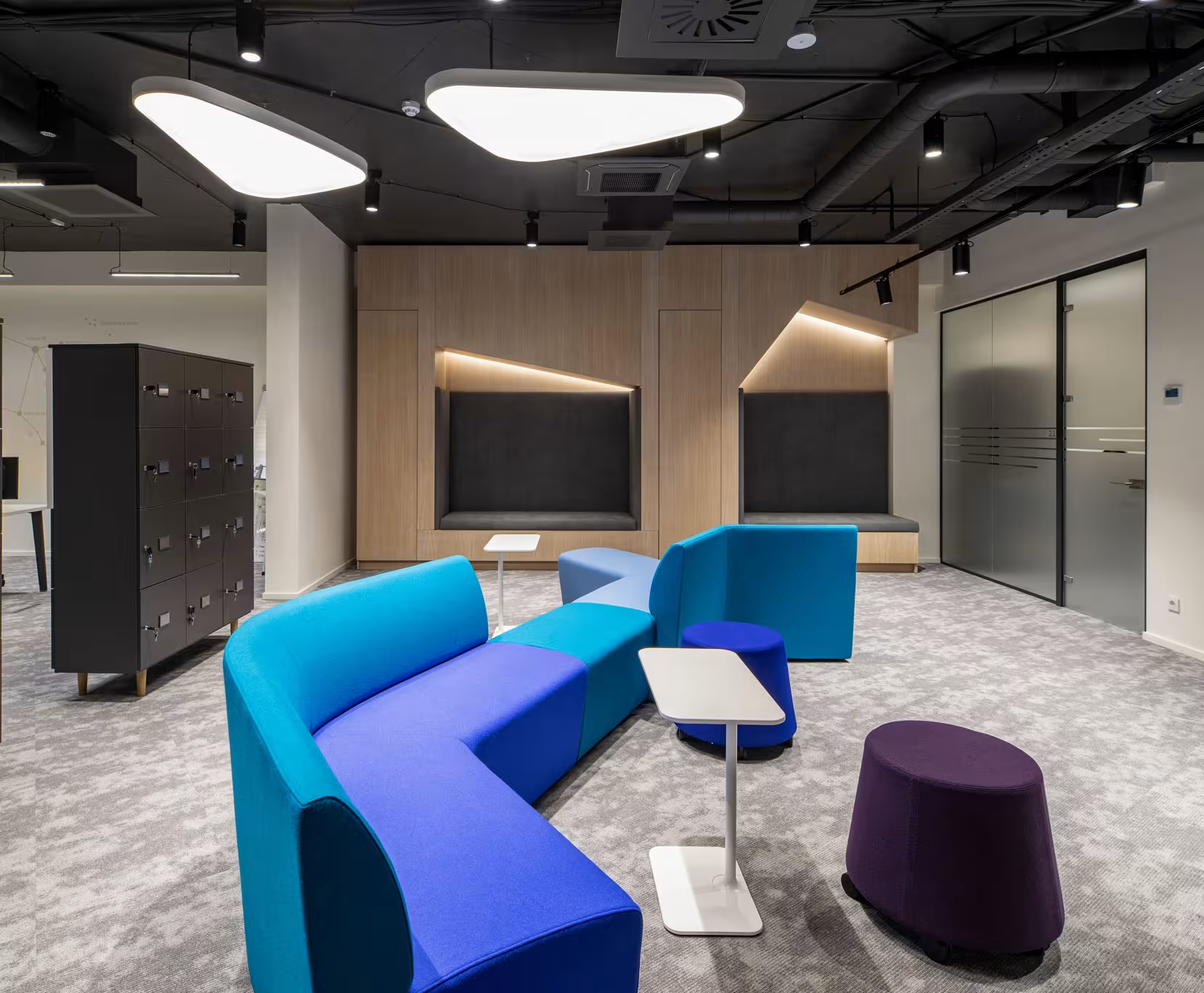
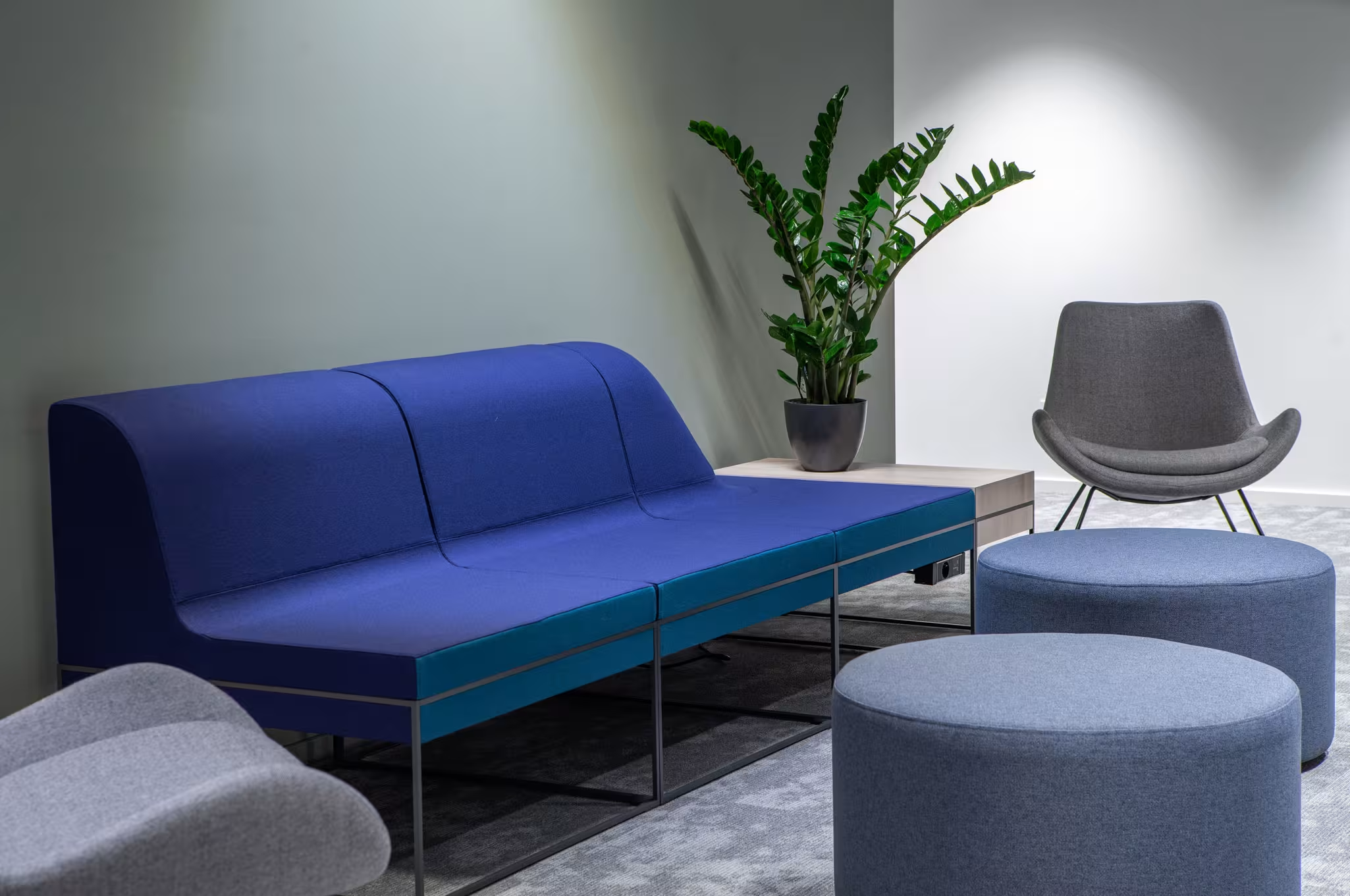
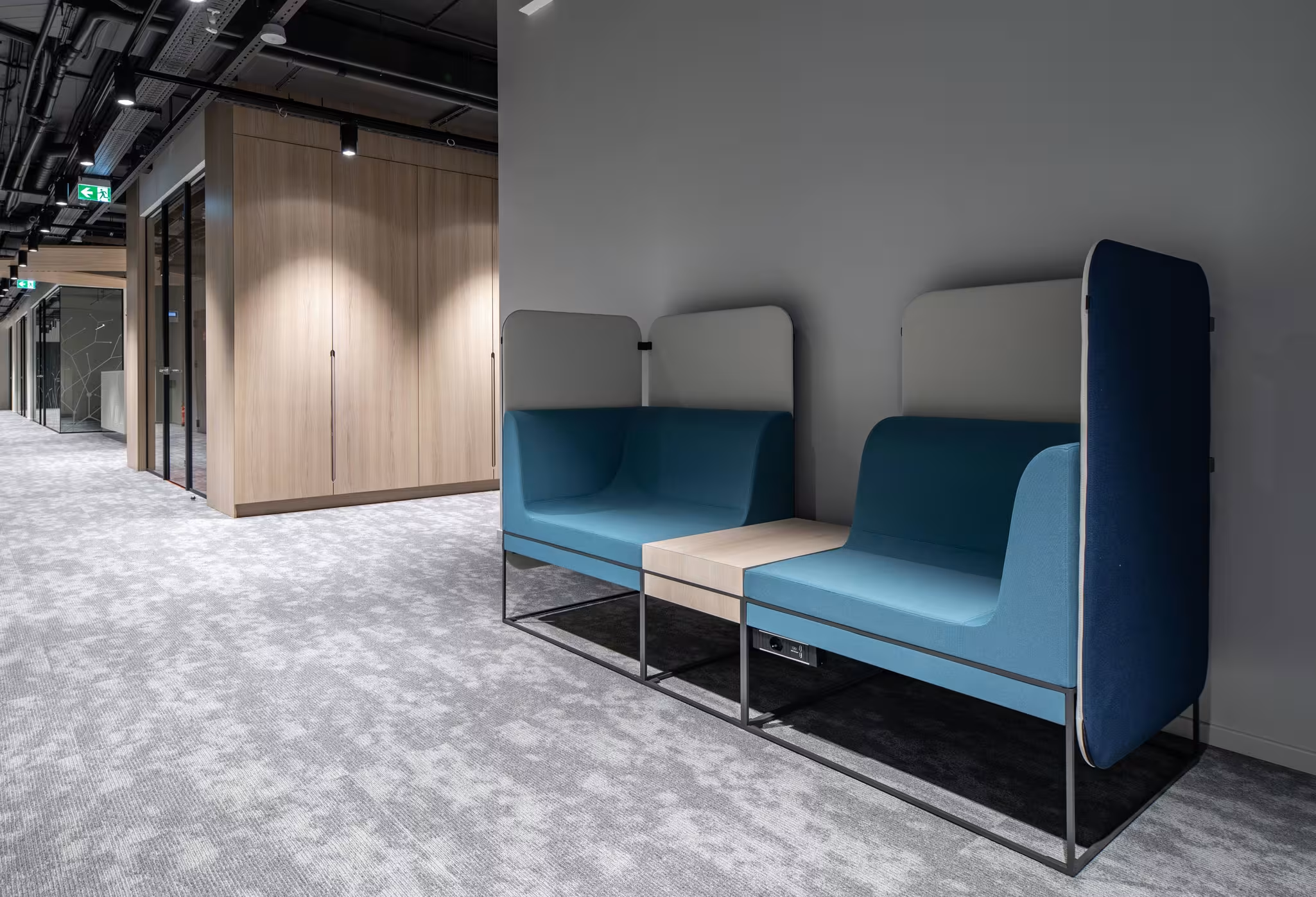
The task chairs were chosen for their adjustability and support. However, office design is not just about the desk. We also curated a selection of soft seating for the lounge areas and informal meeting spots. The use of sofas and armchairs in the collaborative zones signals that these are places for relaxed conversation and creative thinking.
Kitchen and Breakout
The kitchen is the social engine of the office. It is no longer a hidden utility room but a celebrated destination. For the EIS Group Latvia project, we designed a kitchen that functions like a high-end café.
The cabinetry is sleek and durable designed to withstand the demands of a large team. The layout encourages communal dining. We included a large central island where people can gather for coffee or casual lunches. This space is vital for building company culture. It is where hierarchies dissolve and personal connections are made. The materials in the kitchen are robust yet stylish. We used stone surfaces and warm wood tones to create a welcoming atmosphere that offers a mental break from the digital work environment.
Materiality for Warmth and Texture
To counter the presence of technology we focused on introducing natural materials into the interior design. By collaborating with partners, we incorporated timber elements throughout the space. Wood brings a sense of organic warmth that is universally comforting.
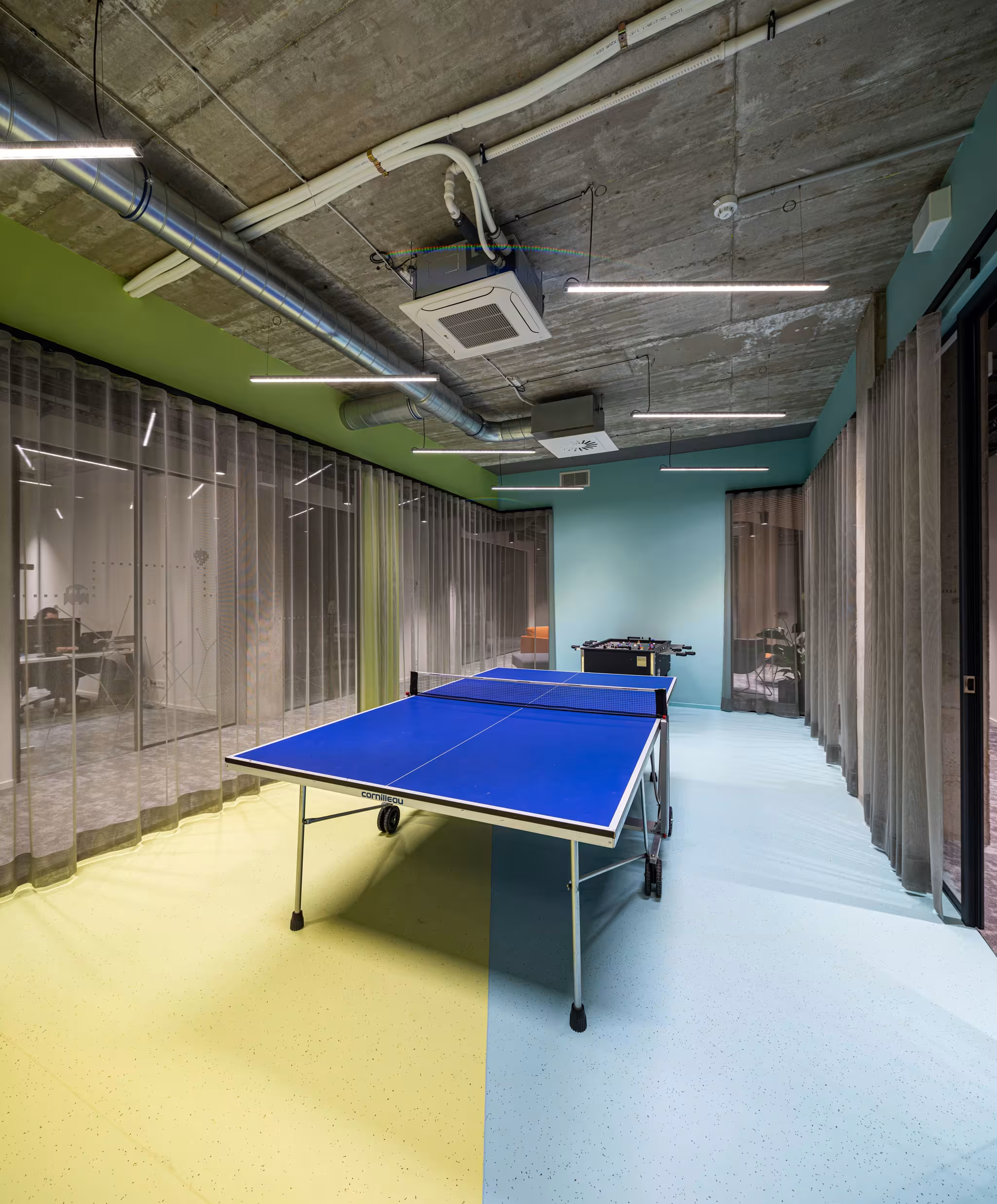
We used wood for wall paneling, custom furniture details and decorative screens. The grain and texture of the timber add visual complexity and tactile richness. We balanced the wood with cool tones of grey and white and brand specific accent colors. This palette feels fresh and modern but grounded. We also integrated significant amounts of indoor greenery. Plants are used as living dividers that purify the air and reduce stress. The combination of wood and plants creates a biophilic environment that connects the indoor space to the natural world.
A Collaborative Achievement
The successful completion of the EIS Group Latvia office in 2020 was a result of intense collaboration. The project team led by Barbara Bula and Anete Soldāne orchestrated a complex symphony of suppliers and contractors.
Our partners played a crucial role in realizing the vision. The precision of the joinery and the quality of the furniture and the effectiveness of the lighting are all testaments to their expertise. We believe that great architecture is a team sport. By working with the best in the industry we were able to deliver a project that exceeds the expectations of the client.
We have created an environment that supports the diverse needs of a modern tech workforce. From the quiet focus of the workstations to the buzzing energy of the kitchen. Every square meter has been designed with purpose. This project stands as a benchmark for office design in Riga. It demonstrates that a large-scale corporate facility can still feel human and personal. We are proud to have partnered with EIS Group Latvia to build a home for their growing team. It is a space where the future of technology is being written every day.