
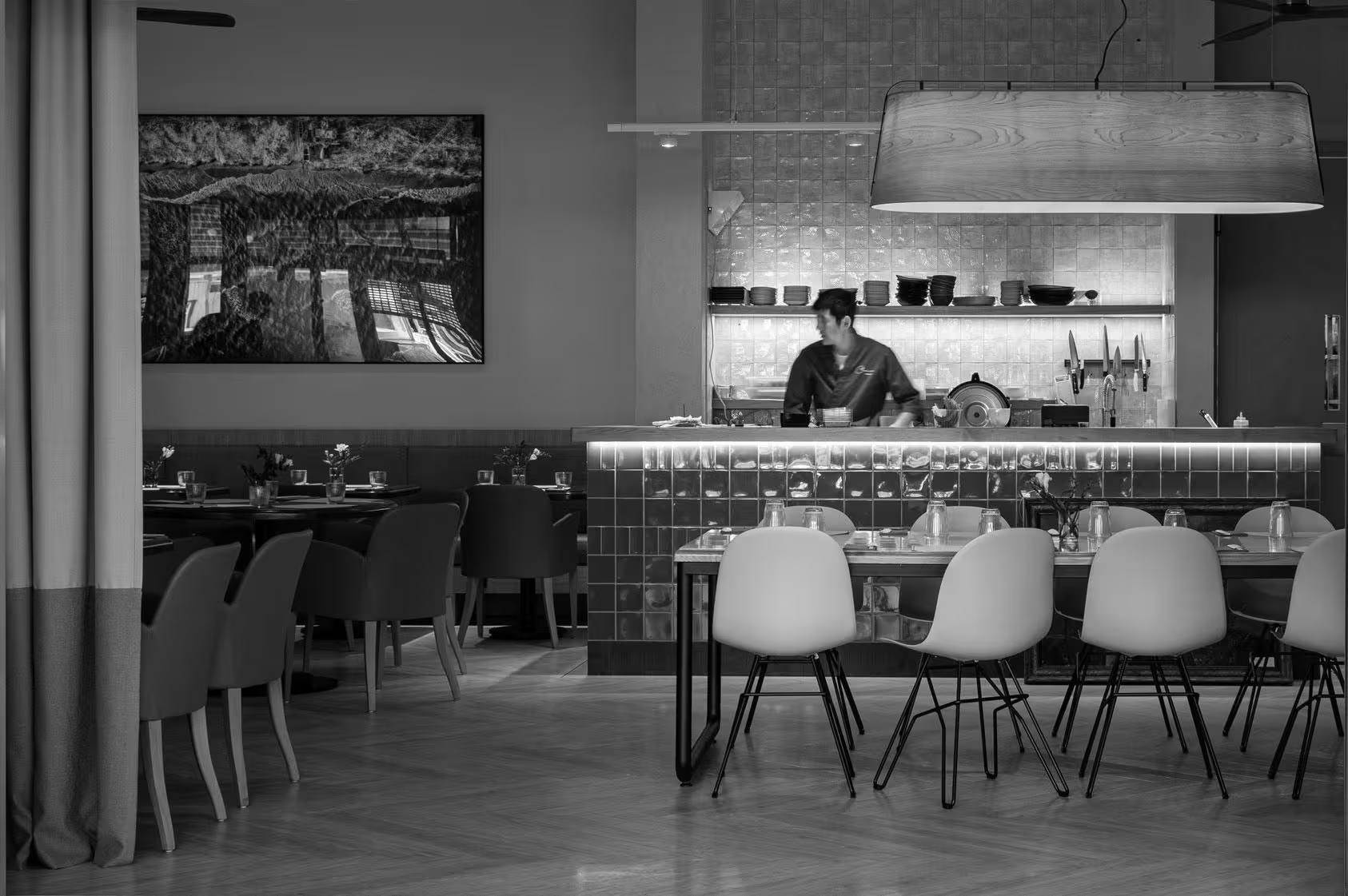
Interior Design Where Food, Atmosphere and Experience Meet
Restaurant interior design plays a powerful role in shaping the dining experience. Beyond food and service, the atmosphere of a restaurant influences how guests feel, how long they stay, and how memorable their visit becomes.
Barbara Bula Arhitekti studio develops spatial layouts that merge culinary concepts with exact architectural execution. The design process combines exact spatial planning, heavy duty material selection, calculated lighting, acoustic engineering and strict operational flow to deliver highly active hospitality venues.
A successful restaurant interior demands strict technical discipline. Commercial kitchens must operate at peak capacity, service routes must remain completely clear and dining rooms must maintain high visual energy. Through exact architectural decisions, the studio delivers restaurant interiors that drive operational efficiency and high guest retention.
Our restaurant interior design projects focus on:
- clear physical identity that reflects the corporate restaurant brand
- carefully chosen materials and textures
- balanced acoustics and lighting for comfort
- clear spatial zoning and circulation
- interiors that encourage social interaction and relaxation
Through these principles, restaurant spaces become more than places to eat-they become destinations where people gather and connect.
Selected Restaurant Interior Design Projects
See how we serve up style with every setting.
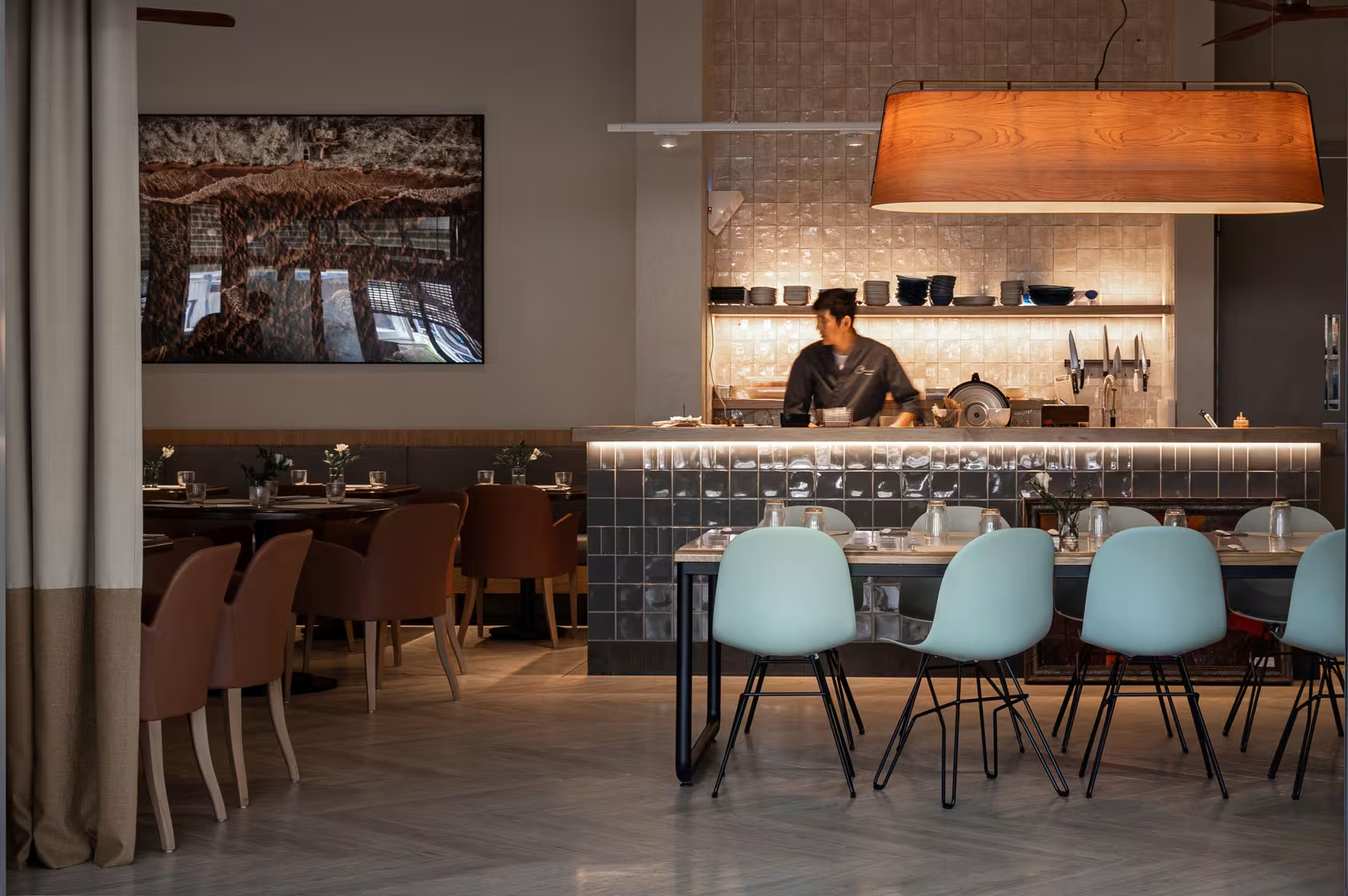
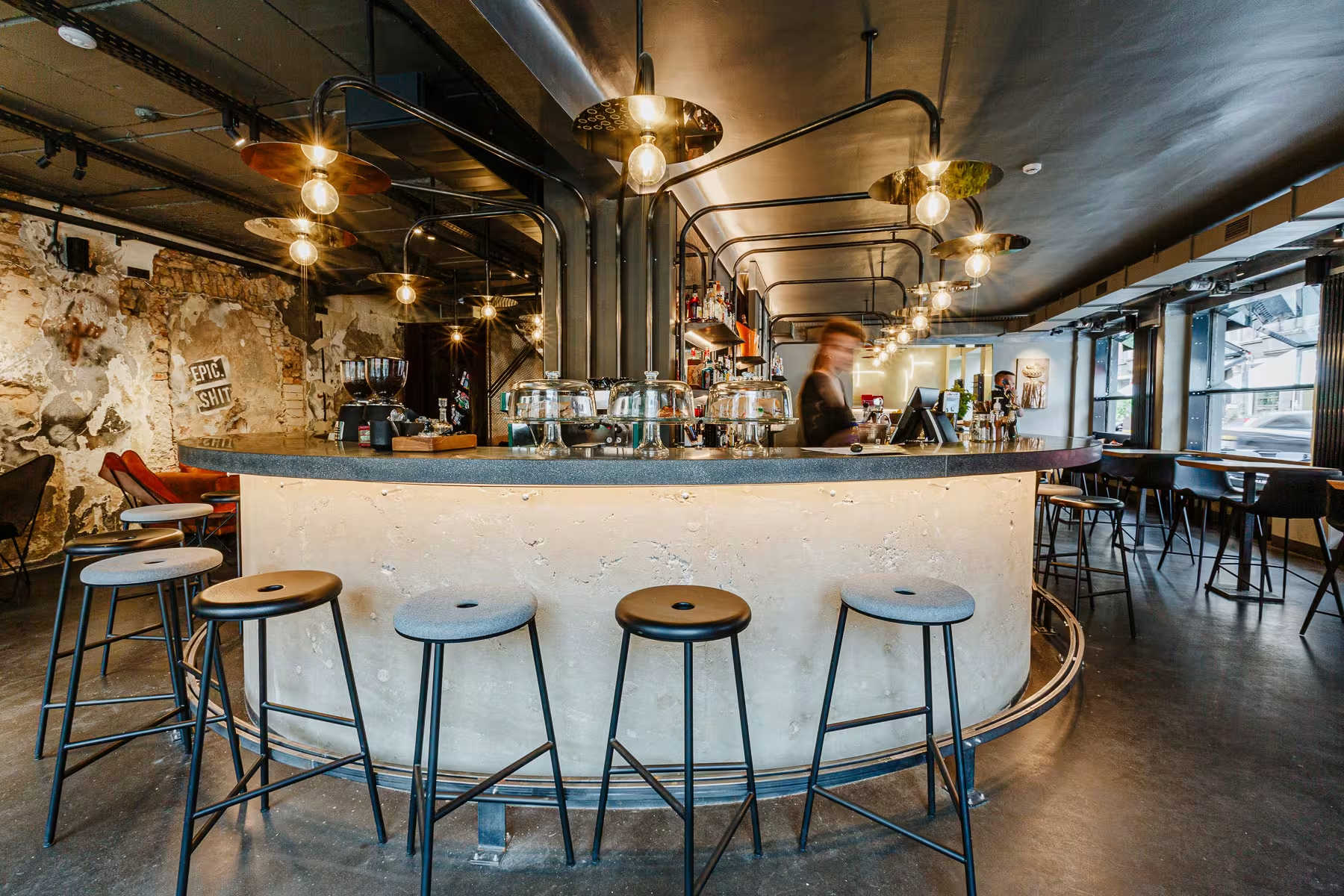
Every restaurant project starts with a strict analysis of the commercial venue concept, the physical location and the target guest demographic. The studio portfolio features highly active urban hospitality venues and extensive coastal dining properties.
These specific projects prove how precise architectural planning creates highly distinct and commercially successful restaurant spaces.
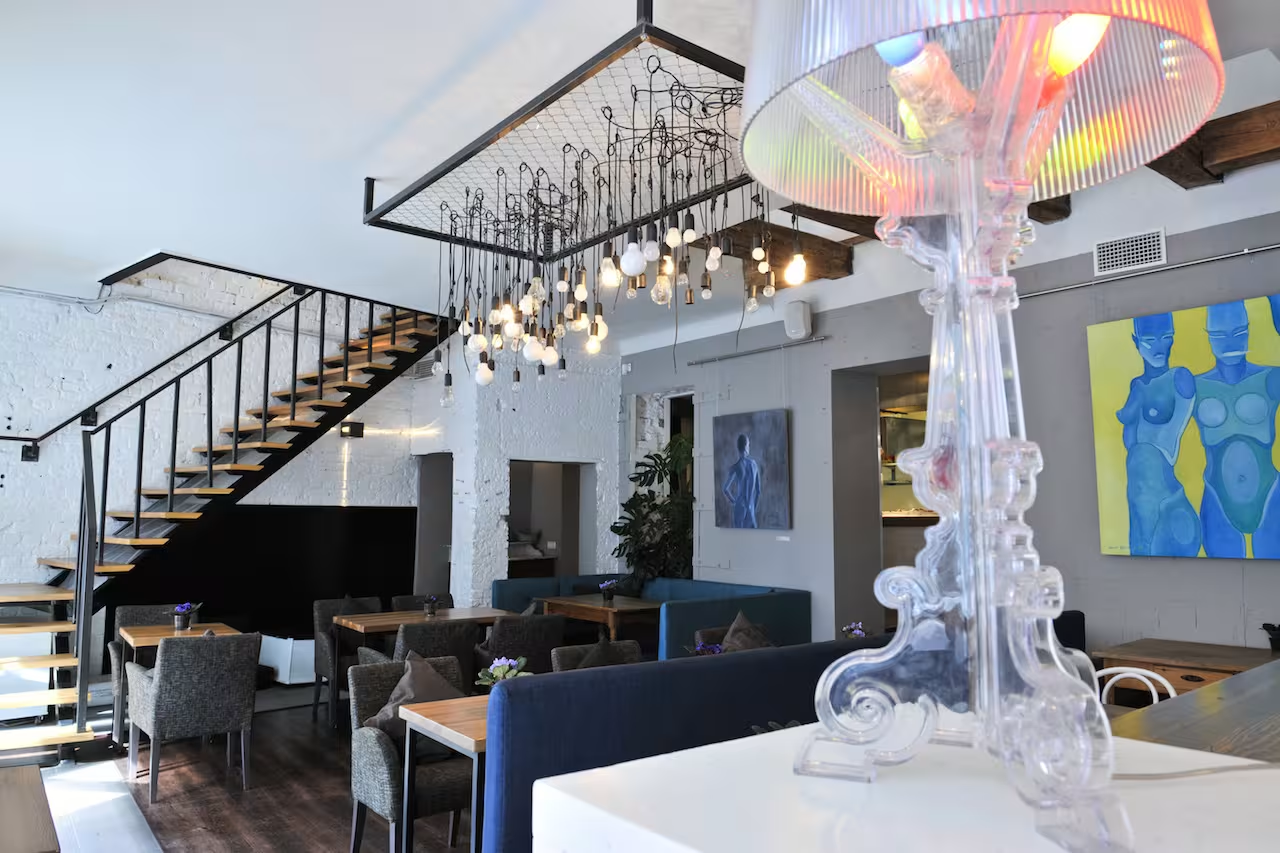
Our Approach to Restaurant Interior Design
Designing a commercial restaurant demands absolute alignment between visual appeal and strict daily operations. The physical space must actively support the business requirements of the staff and the physical experience of the visiting guests.
Our approach focuses on three essential principles.
01Creating Atmosphere Through Materials and Texture
Materiality plays a crucial role in defining the character of a restaurant. Brick, wood, metal, stone, textiles, and concrete each contribute to the overall sensory experience.
We carefully combine materials to create environments that feel authentic and tactile. Rough surfaces may contrast with soft upholstery, while warm wood tones balance colder industrial materials. These combinations help create restaurant interiors that feel layered, expressive, and comfortable.
02Designing for Social Interaction and Flow
Restaurant layouts must adapt to various visitor groups, from large active gatherings to highly private dinners. Exact spatial zoning allows the property to handle different activities while maintaining a strong sense of openness.
We organize restaurant layouts to include:
- lively bar and social areas
- comfortable dining areas
- more intimate seating areas
- clear circulation paths for staff and guests
This thoughtful spatial organization ensures that the restaurant functions efficiently while maintaining a welcoming atmosphere.
03Lighting and Acoustics as Design Tools
Lighting and acoustics are essential components of restaurant interior design. They shape how the space feels throughout the day and evening.
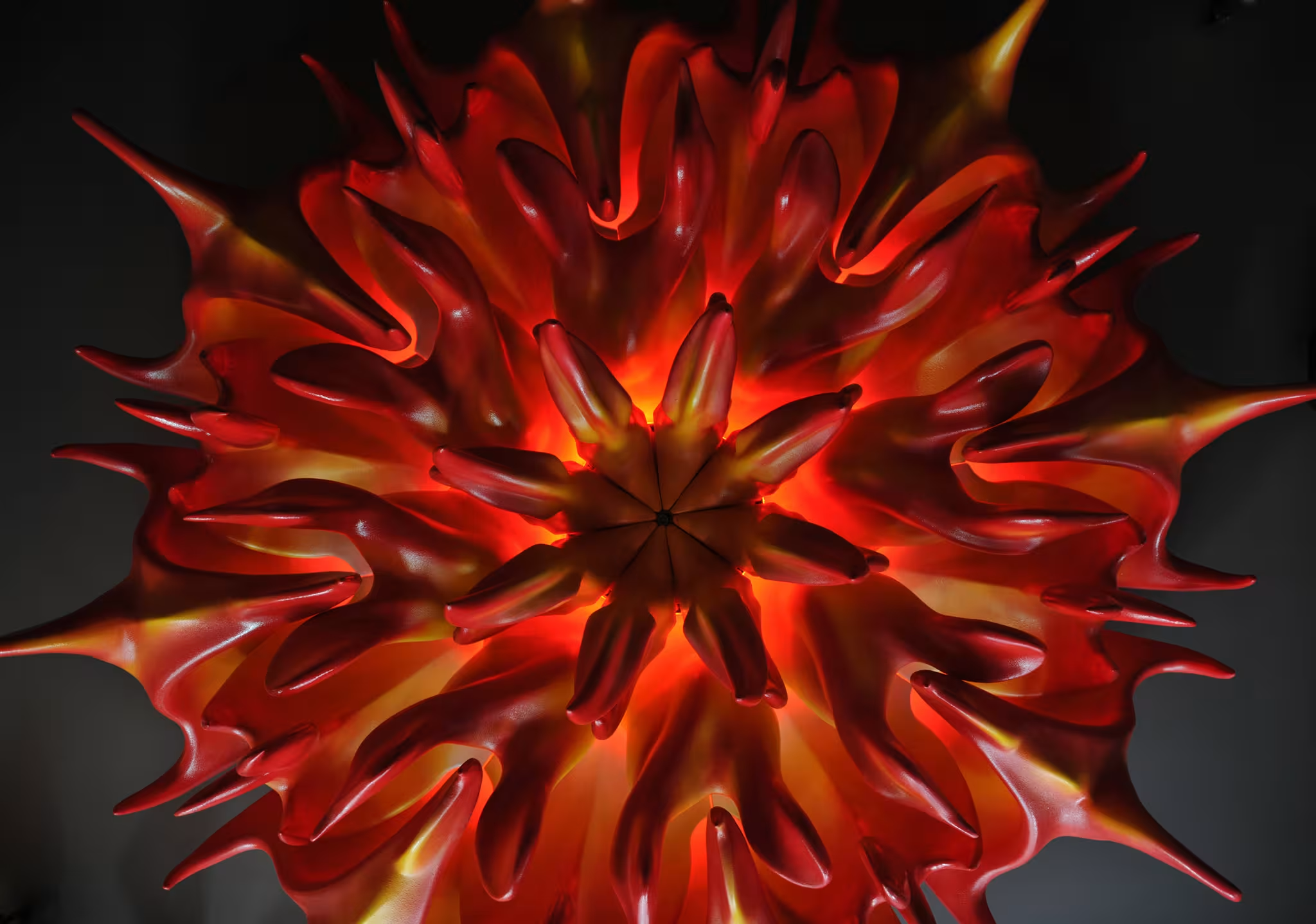
Layered lighting layouts allow restaurants to shift smoothly from bright daytime operations to calm evening settings. Decorative lighting fixtures serve as visual anchors that define specific property zones.
Engineered acoustic solutions ensure a perfect balance between background music and human voices, allowing guests to hear clearly without massive noise.
Restaurant Interiors That Tell a Story
Every restaurant operates with a specific business identity. Exact interior design physically translates this brand identity through spatial layouts, heavy materials and calculated lighting.
Specific venues demand industrial textures and urban energy, while others project the quiet nature of coastal landscapes or the expressive power of local culture. By executing these exact commercial themes within the physical structure, the restaurant interior acts as a strong component of the overall dining business
Designing Spaces for Hospitality
At Barbara Bula Arhitekti, restaurant interior design is approached as a combination of architecture, design, and storytelling. Each project aims to create spaces where people feel comfortable, inspired, and connected.
Through exact material selection, strict spatial planning and calculated lighting, restaurant interiors serve as physical assets that elevate the culinary business and the social life of the city.