

The building at 6 Skārņu Street is a structure that has stood witness to the evolution of Riga from a medieval trading post to a cosmopolitan European capital. Dating back to the 15th century, its walls hold the memory of generations. When our client approached us to undertake this renovation in 2014, we understood immediately that we were acting as custodians of history.
Although the building had undergone restoration in the 1990s, Barbara Bula Arhitekti task was to bring it up to contemporary expectations for comfort and energy efficiency. The challenge was to integrate modern amenities into a tight 330-square-meter footprint without erasing the patina that gives the building its unique character.
Preserving the Medieval Timber
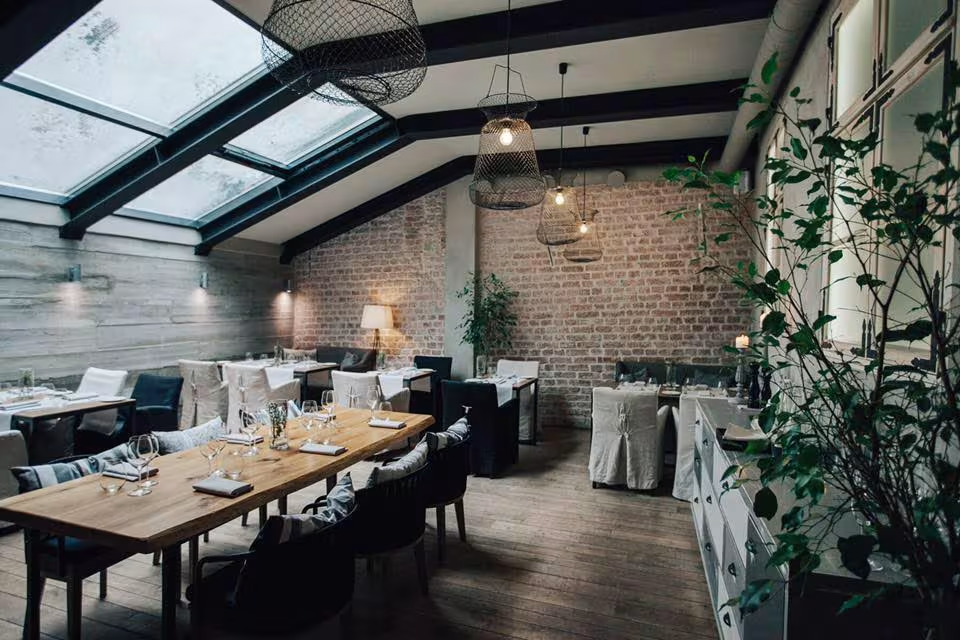
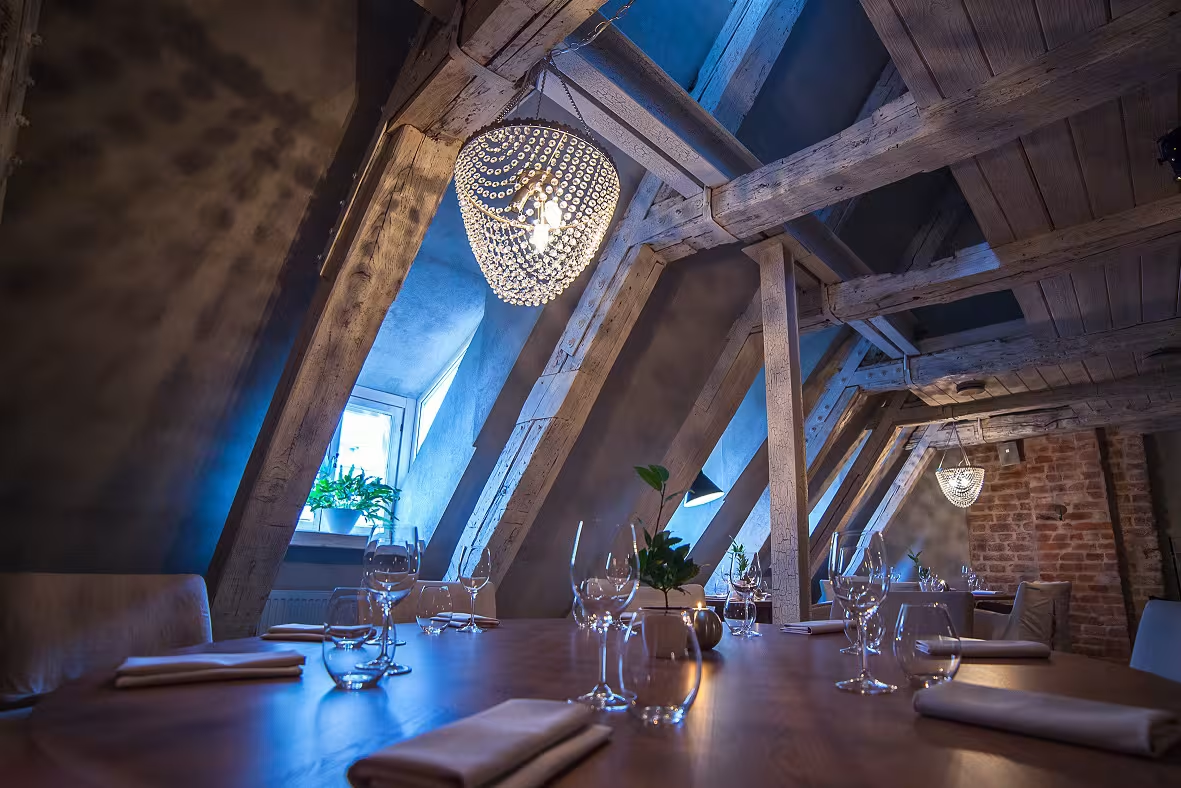
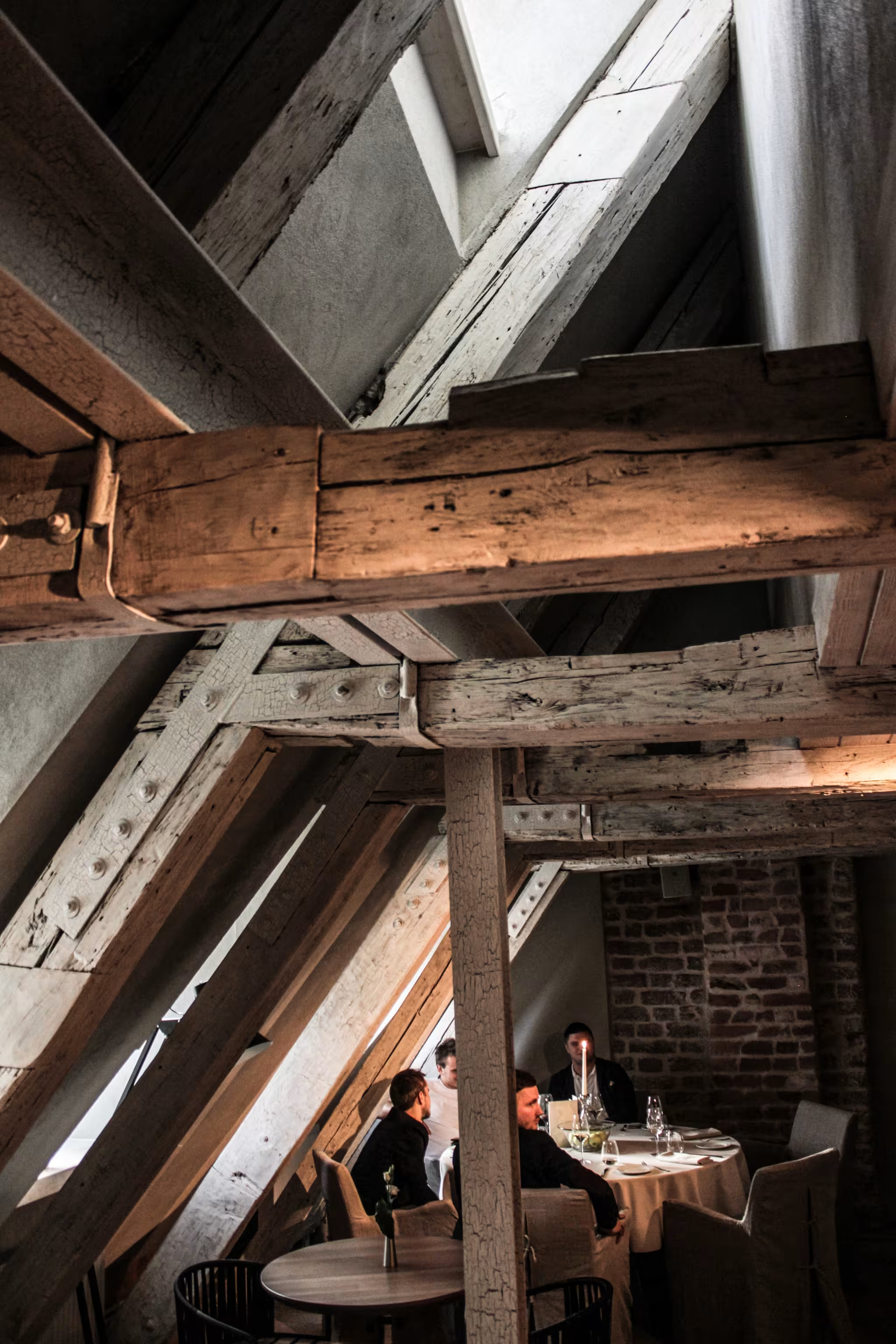
One of the most defining features of the property is its unique wooden roof structure, which we maintained as much as possible. These ancient timber beams are more than just structural elements, they are sculptures crafted by the axes of medieval carpenters.
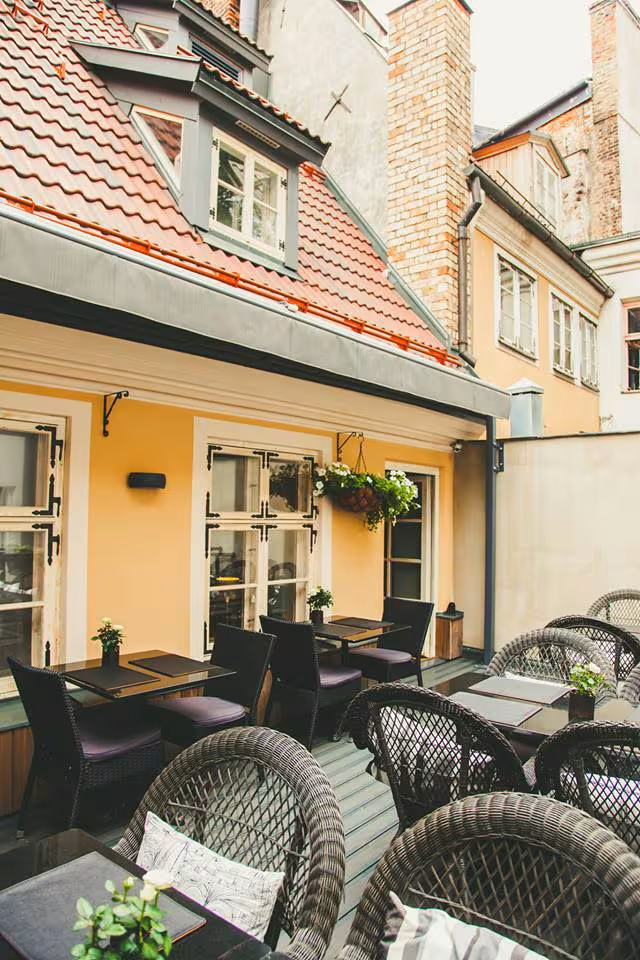
Preserving this structure required a complex engineering strategy. Working closely with Anda Ozoliņa, we developed a method to reinforce the roof using only absolutely necessary inlays where the wood was compromised, rather than replacing it. The result is an attic space that feels cathedral-like, where guests dine beneath a canopy of history with the rough texture of the exposed beams contrasting against modern finishes.
A Journey Through Time
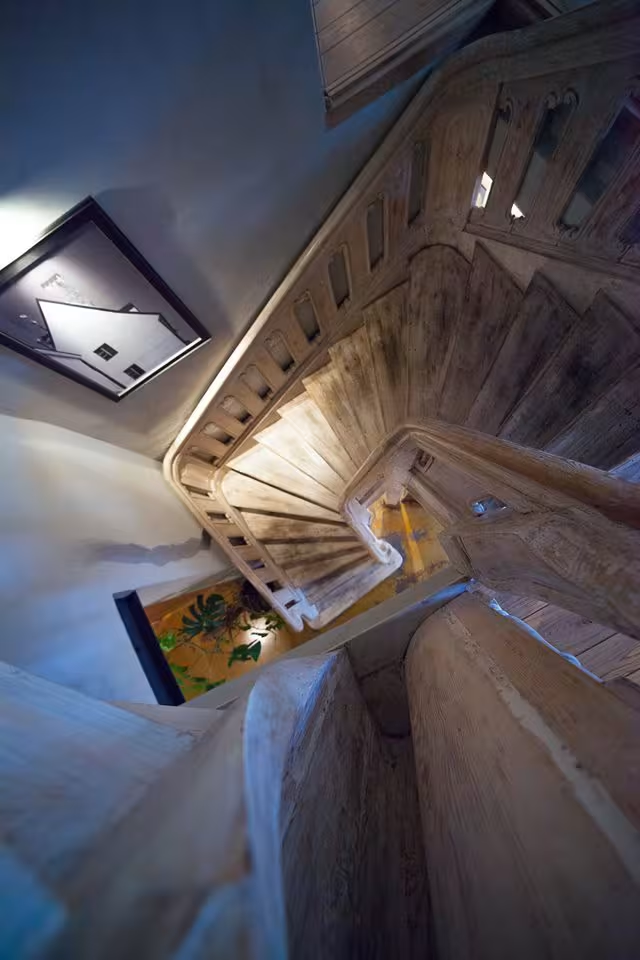
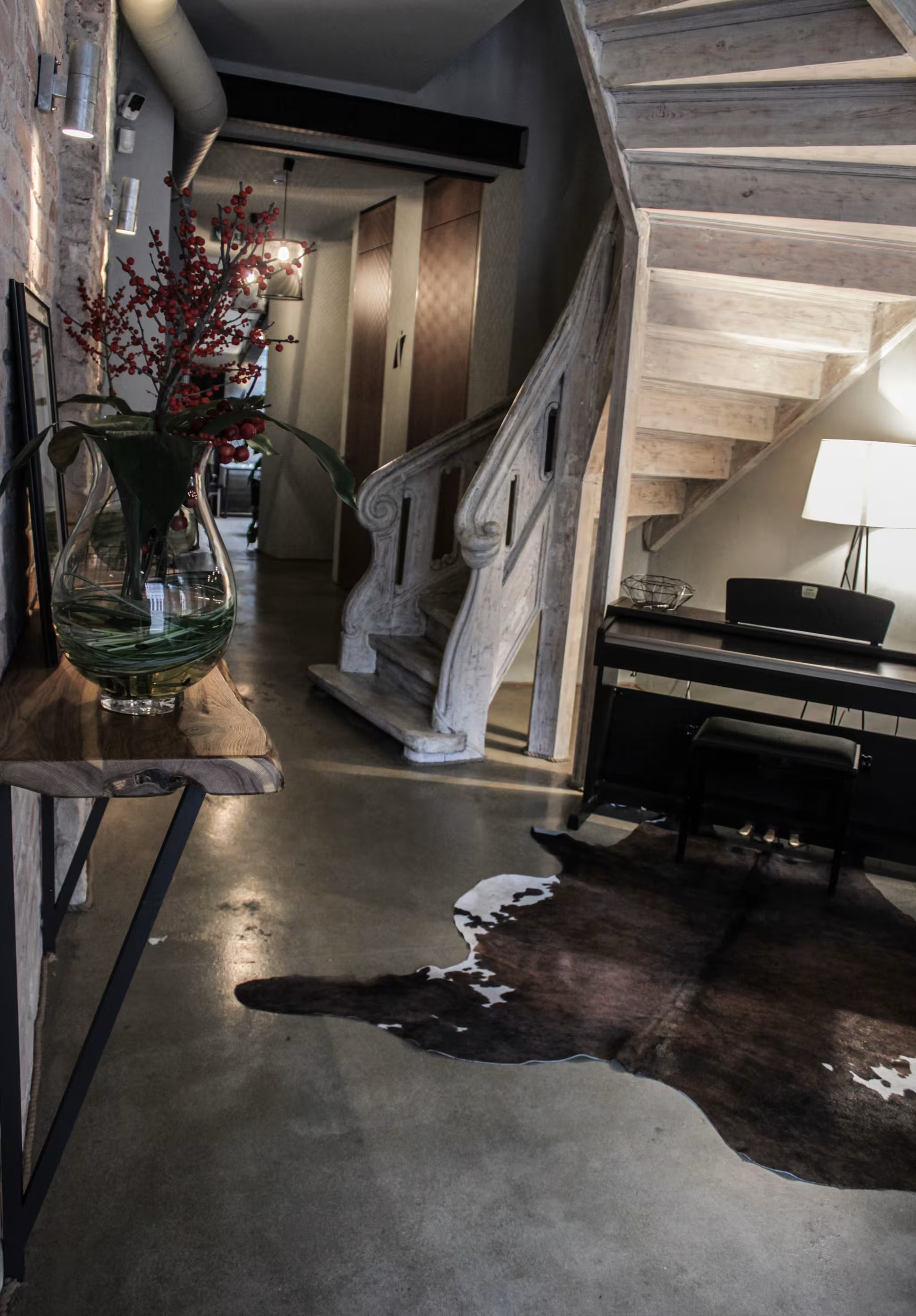
We made a similar conscious decision regarding vertical circulation, refusing to replace the original stairs with standard concrete or steel alternatives. These stairs are a masterpiece of craftsmanship that wind their way up through the building. By restoring the treads and handrails, we ensured they were safe for daily use while retaining their historic charm, turning the simple act of moving between floors into a tactile journey through time.
Creating a "Winter Garden"
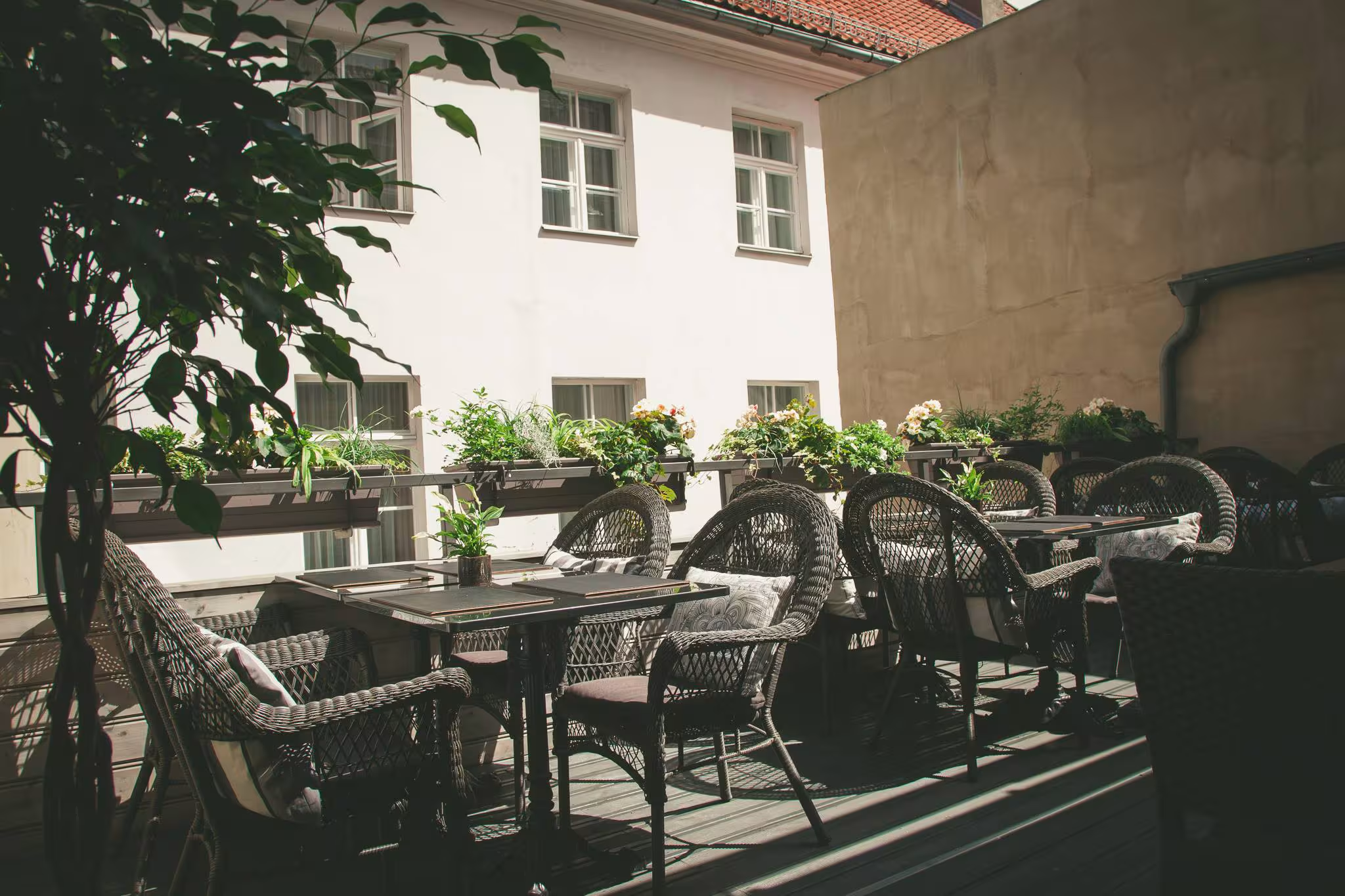
While preserving the interior, we also sought to improve the spatial quality by activating the courtyard. We transformed this previously underutilized area into a covered backyard with a glass roof structure. This floods the space with natural daylight and creates a "winter garden" effect, allowing the restaurant to offer an outdoor dining experience all year round regardless of the Latvian weather.
Above this covered yard, we created a roof terrace which offers views of the surrounding church spires and tiled rooftops.
A Modern Hospitality Experience
The building now houses a restaurant, a function perfectly suited to welcoming people and making them feel at home. The design utilizes the niches and irregularities of the old walls to create private dining corners, creating a cozy and boutique feel.
Led by architects Barbara Bula and Jūlija Skobelkina, this project demonstrates that historic buildings can be economically viable and functionally modern without losing their soul. It is a space where the past and present meet in harmony, proving that the Old Town of Riga is not a static monument, but a place that continues to evolve.
Why this approach matters
Many renovations of medieval buildings struggle with Mechanical, Electrical, and Plumbing (MEP) integration. It is often difficult to fit modern ventilation and heating into 500-year-old stone walls without destroying them. In this project, the architects successfully routed ducts through existing chimneys and voids. This technique is critical because it keeps the modern systems "invisible," preserving the immersive historical atmosphere for the restaurant guests while meeting 21st-century air quality standards.
By turning an outdoor space into a glass-covered courtyard, the restaurant gains usable square footage that generates revenue 12 months a year, rather than just 3 months in summer. This makes the preservation of the building financially self-sustaining.