
The era of the factory as a dark, purely utilitarian box is fading, replaced by the vibrant concept of the science park and the technology campus. These are spaces where production meets research and logistics meet human creativity.
Redefining the Industrial Landscape
With the Science Park project, Barbara Bula Arhitekti embraced a unique opportunity to redefine what a large-scale production facility can look like. Located on a massive 30,000 square meter plot in Mārupe, the project sits at the intersection of high-tech engineering and human centric architectural design.
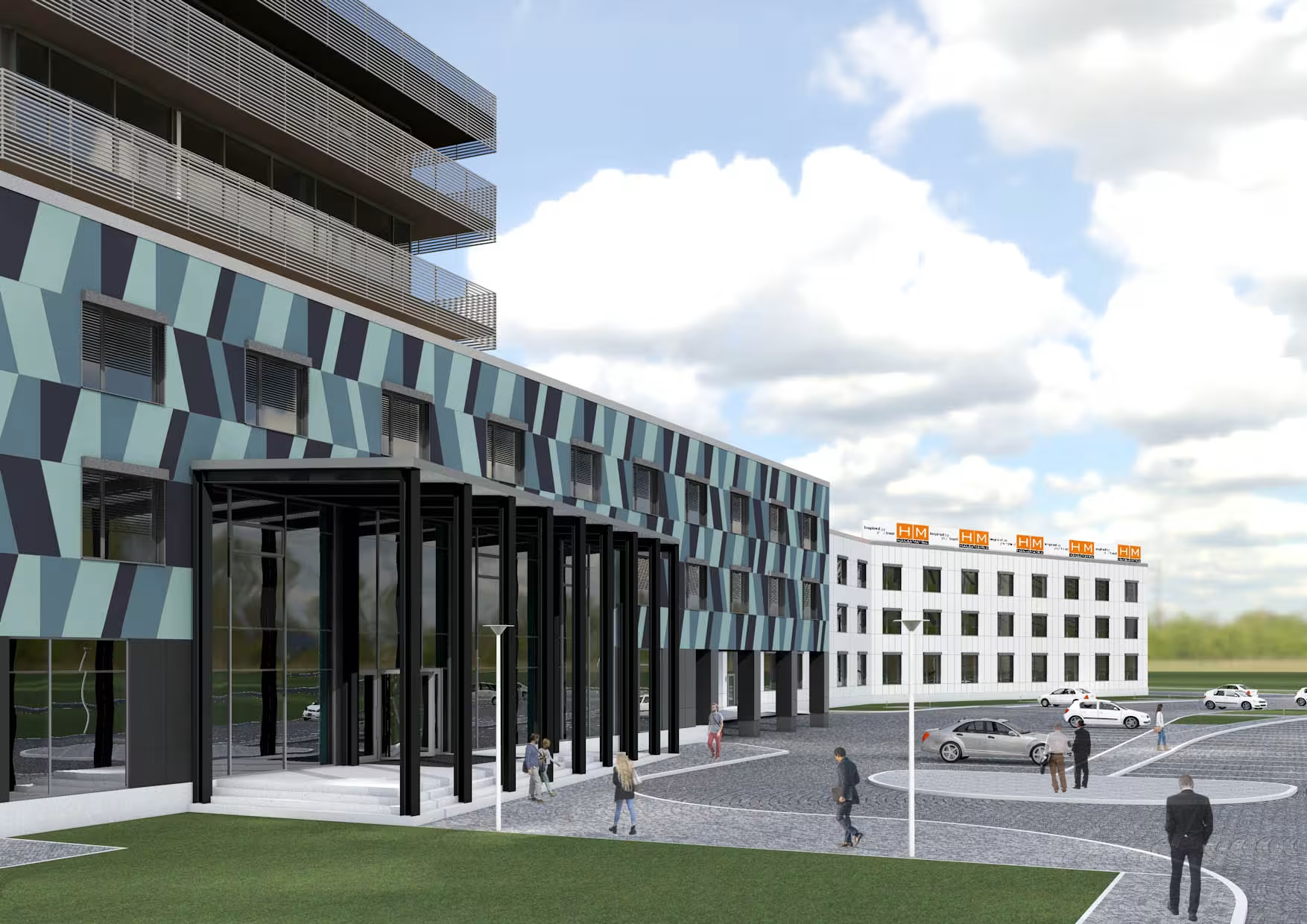
Challenge was to organize diverse functions, including production areas, warehouses, laboratories and offices into a cohesive whole without falling into the visual monotony that often plagues industrial districts. We viewed this facility not just as a machine for production, but as a place for people.
A Visual Language of Energy
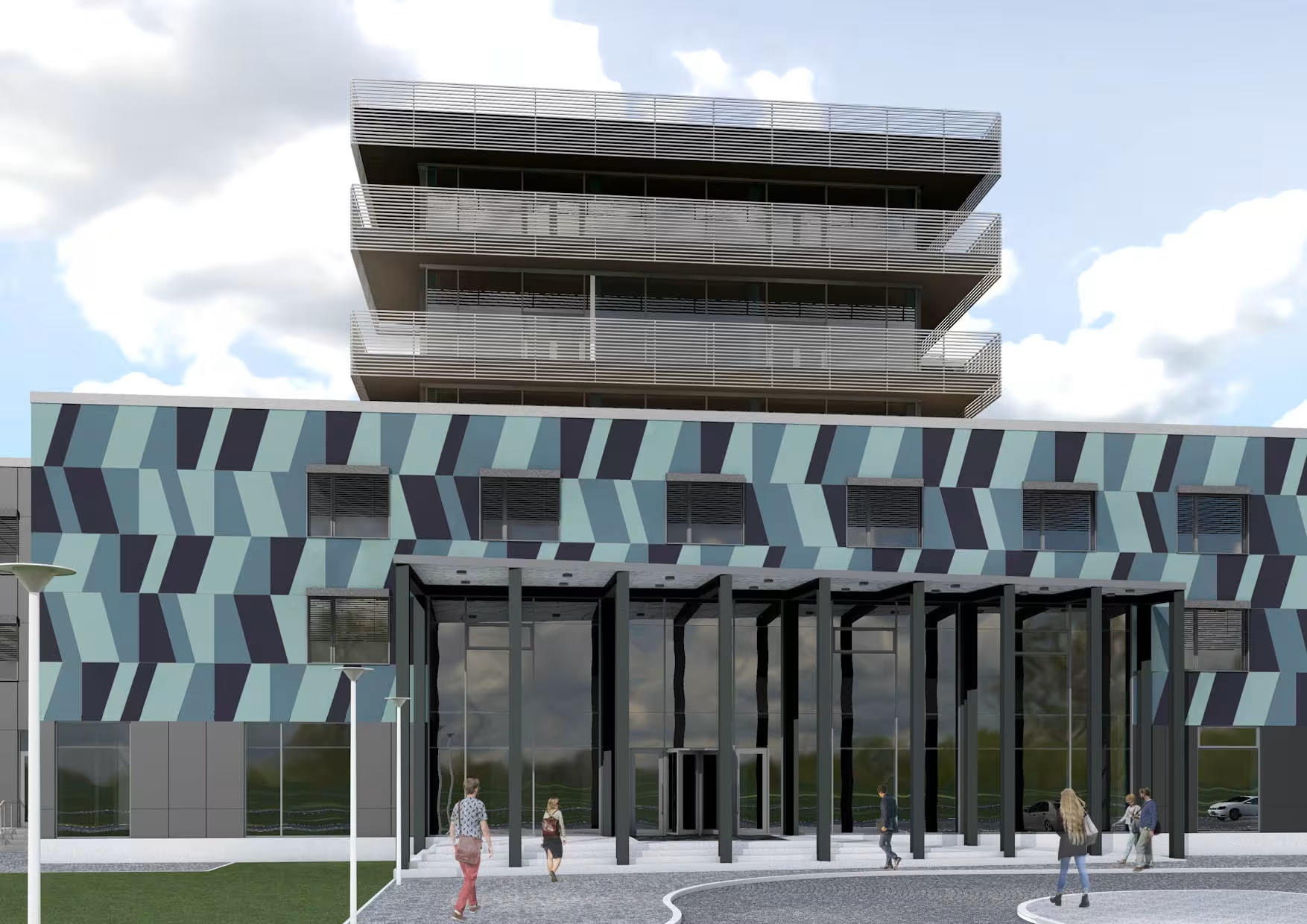
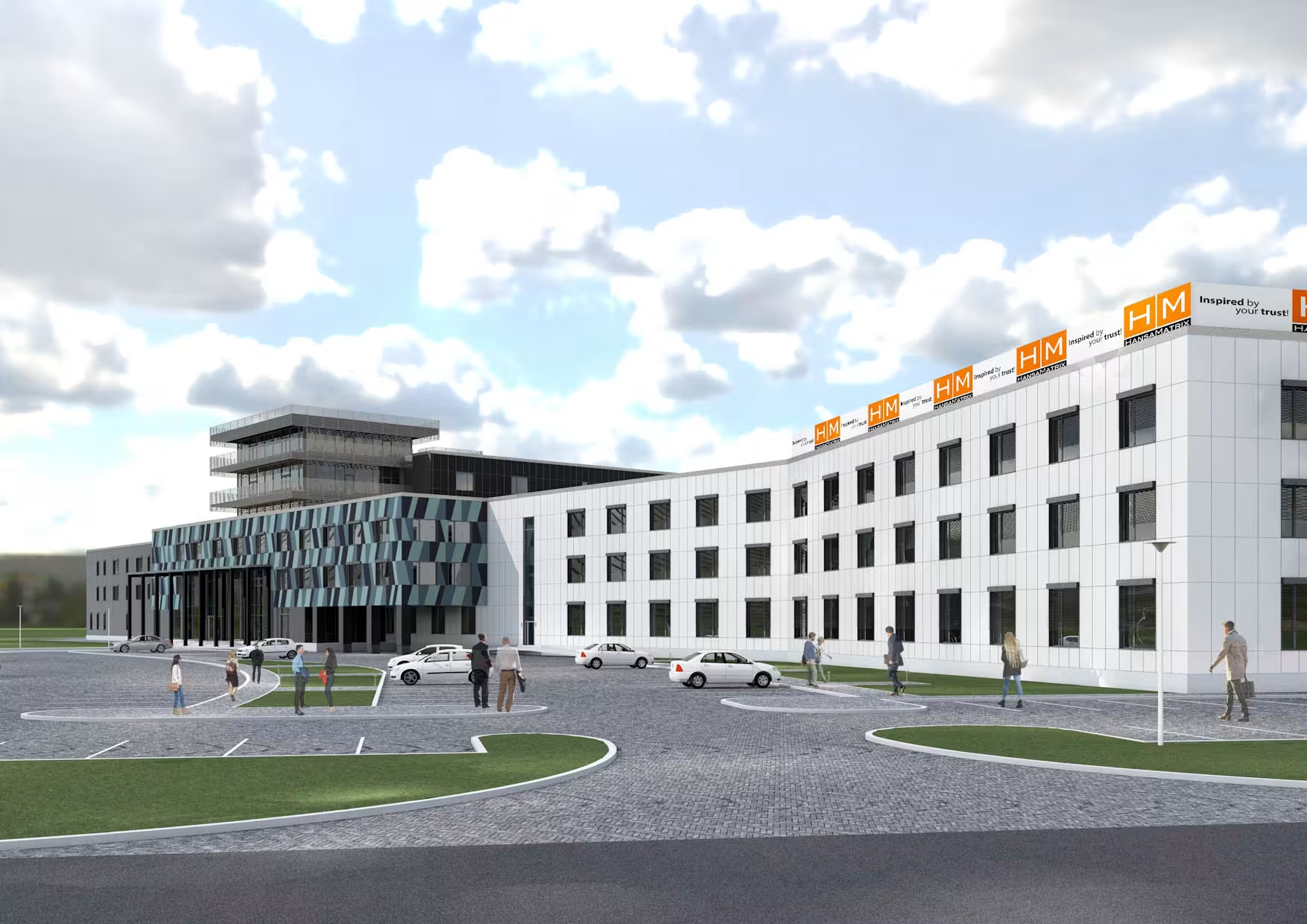
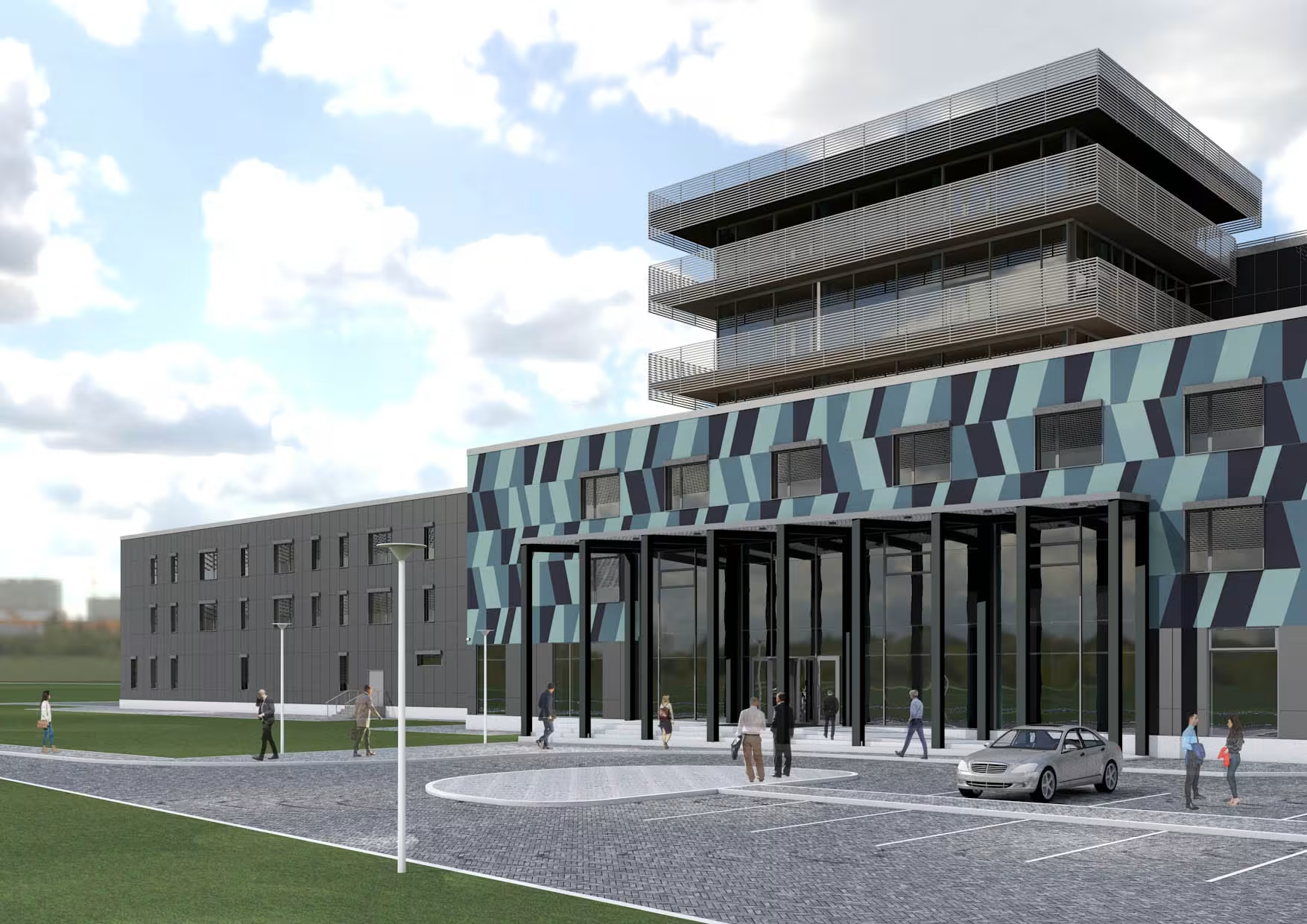
To break down the massive scale of the building volume, we utilized a strategy of color coding and textural contrast. The administrative blocks are wrapped in a sophisticated skin of diagonal geometric shapes in teal, blue and grey. These shard-like elements mimic the dynamic nature of the electronics developed inside and create a sense of movement.
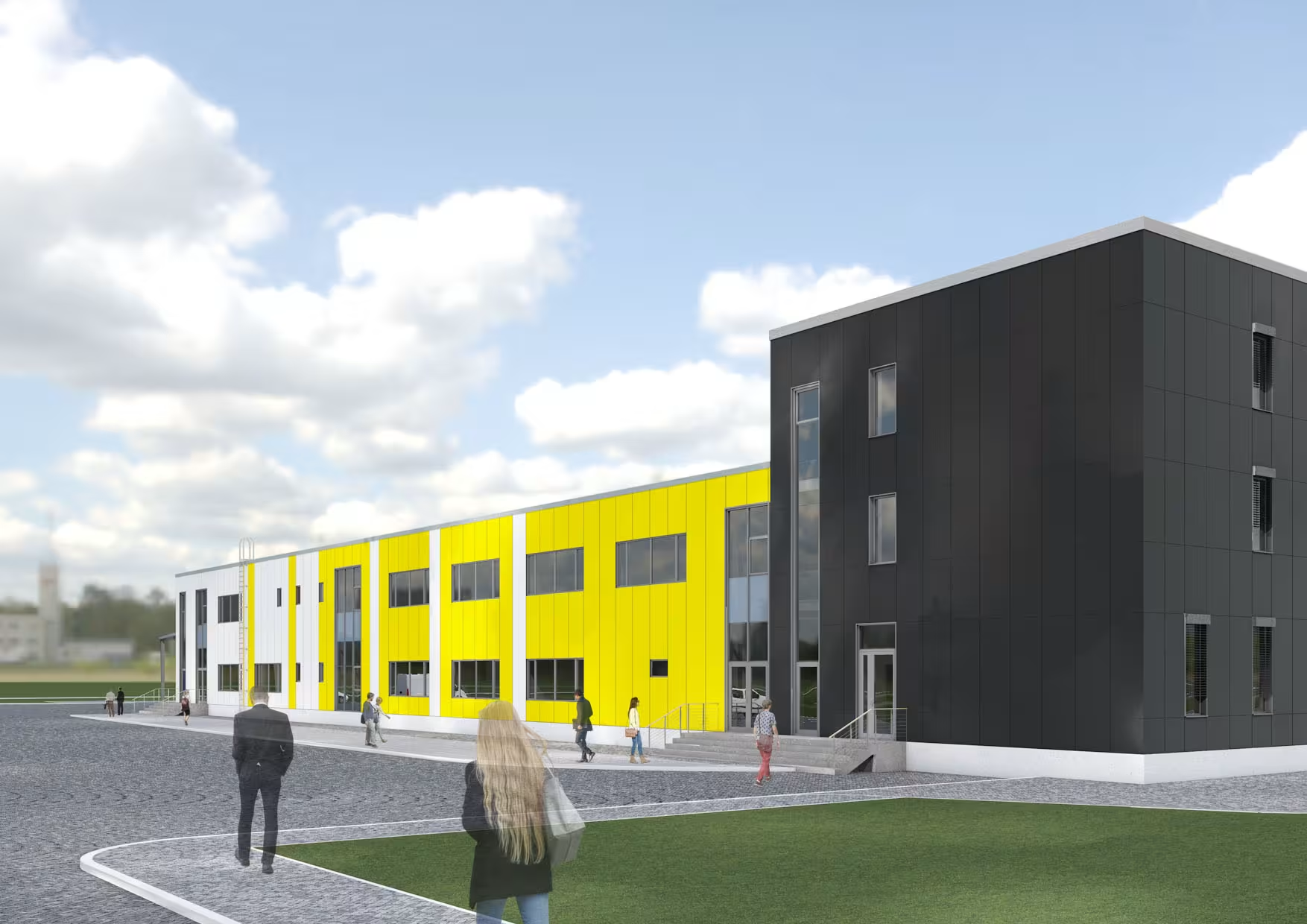
In contrast, the production wings feature bright yellow vertical accents against a clean white background. This rhythm symbolizes energy and activity while preventing the long elevations from appearing tedious. This composition tells the story of the two sides of the business: the cool logic of management and the energetic heat of creation.
The Campus Atmosphere
Architecture must prioritize user well-being, especially in a facility where hundreds of people spend their days. The interior layout encourages accidental encounters between departments, acting as a spark for innovation. Large windows allow natural light to penetrate deep into the floor plan, maintaining a vital connection to the outdoors.
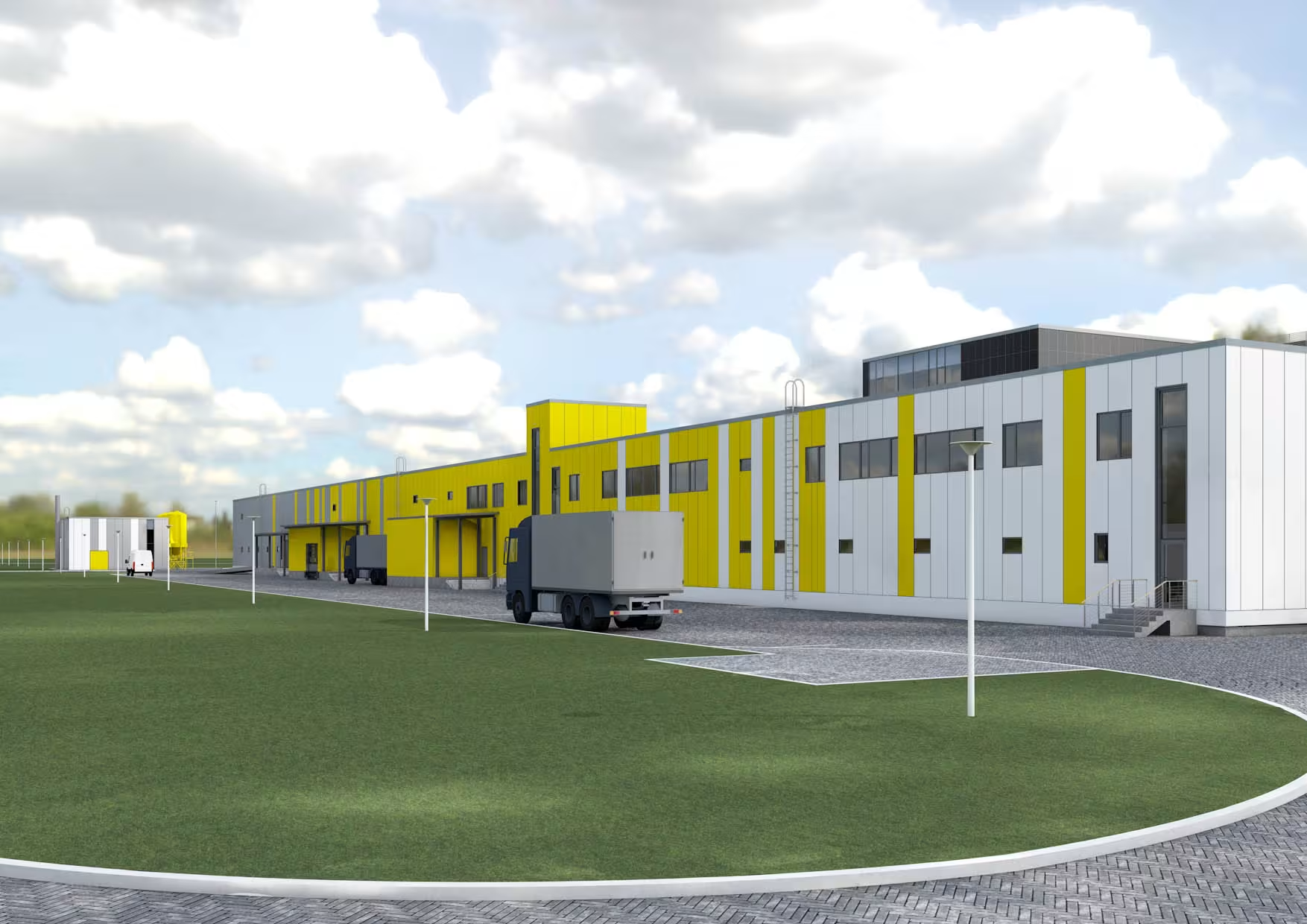
Externally, we refused to let the building be surrounded by a sea of asphalt. Instead, we integrated green islands and pedestrian walkways to soften the built environment and create a true campus atmosphere where employees can breathe fresh air.
Technical Rigor and Sustainability
Developed as a Technical Project between 2016 and 2020, this facility acts as a living organism requiring complex climate control and robust power infrastructure. We ensured these technical requirements never compromised the aesthetic vision.
Sustainability was a key driver, leading us to prioritize energy efficient envelope solutions. In an industrial context where energy consumption is high, the use of high-quality insulation and solar control glazing translates to significant savings over time.
A Landmark for Mārupe
This project was a collaborative effort with ER3 Architects, combining our strengths in creative conceptualization with technical detailing. The result is a building that serves as a gateway to the industrial zone and a benchmark for future developments in Mārupe.
The Science Park project proves that even a warehouse can become a work of art. It is a statement that quality architecture belongs everywhere, transforming an anonymous coordinate on a map into a destination.
Why this approach is important
From a professional architectural perspective, the strategy employed in the Science Park project is significant because it addresses the "Industrial Identity Crisis."
Historically, industrial zones are designed "from the inside out" with zero regard for the external environment, resulting in "dead zones" in a city. This project reverses that trend by applying civic design principles (usually reserved for libraries or museums) to a private factory.
- Talent Retention: In the high-tech sector, attracting top engineering talent is difficult. By designing a "campus" with sunlight, greenery and social spaces rather than a "factory," the architecture becomes a recruitment tool.
- Brand Visibility: The building itself acts as a billboard. The unique "shard" façade makes the company recognizable even from the air (for flights entering Riga Airport), communicating values of precision and innovation without needing a traditional sign.
- Operational Efficiency via Design: The use of color coding (Blue for Office, Yellow for Production) aids in wayfinding and legibility, making a massive 30,000 sqm complex easy to navigate for logistics drivers and visitors, reducing confusion and operational friction.