
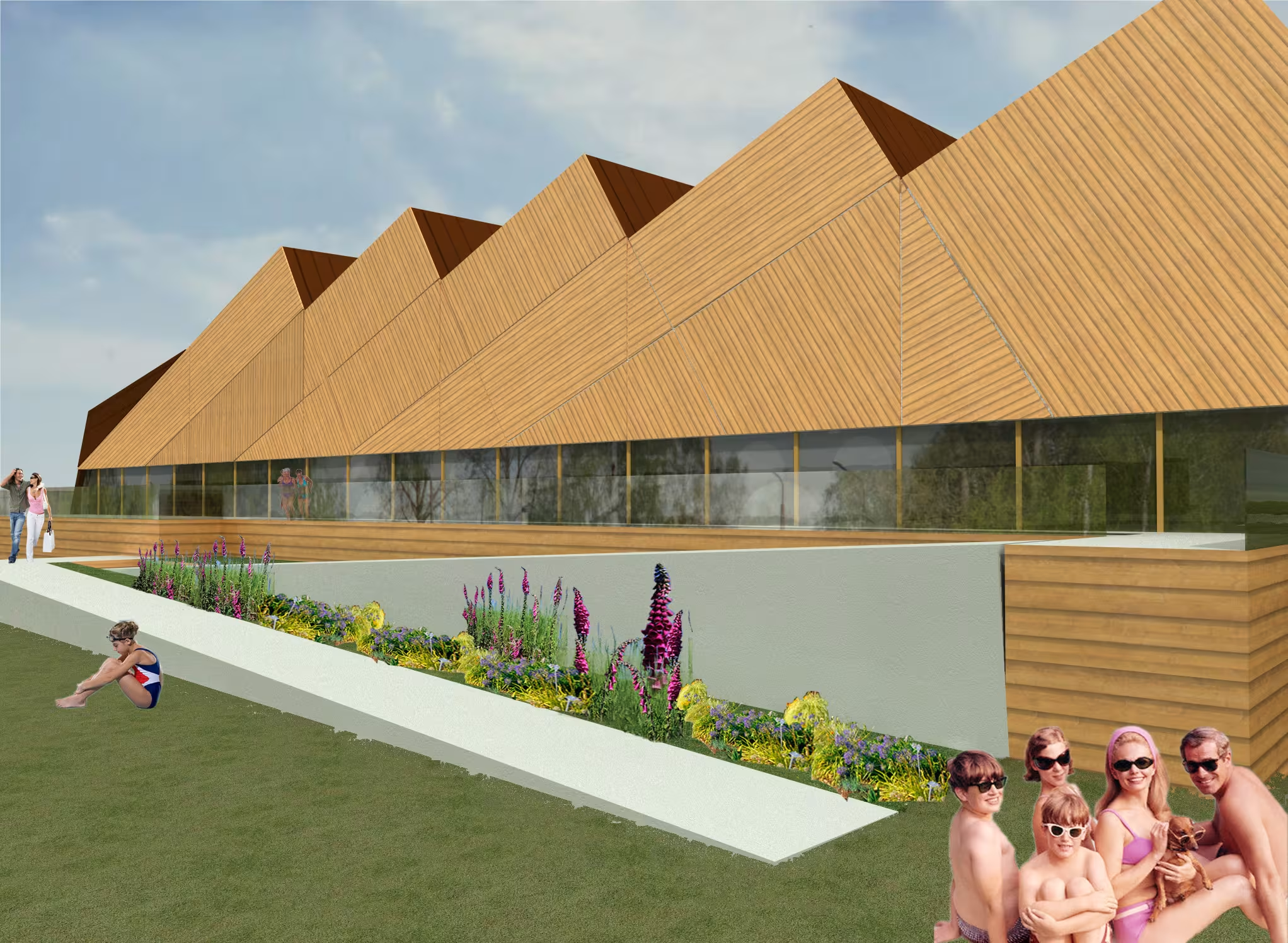
Competition, 2nd Prize
We, Barbara Bula Arhitekti, view our role as something broader than just designing physical structures. We see ourselves as curators of community well-being and stewards of the environment. The Limbaži City Pool project is a direct expression of this philosophy, representing a bold step where sports infrastructure meets environmental responsibility.
Form Driven by Physics
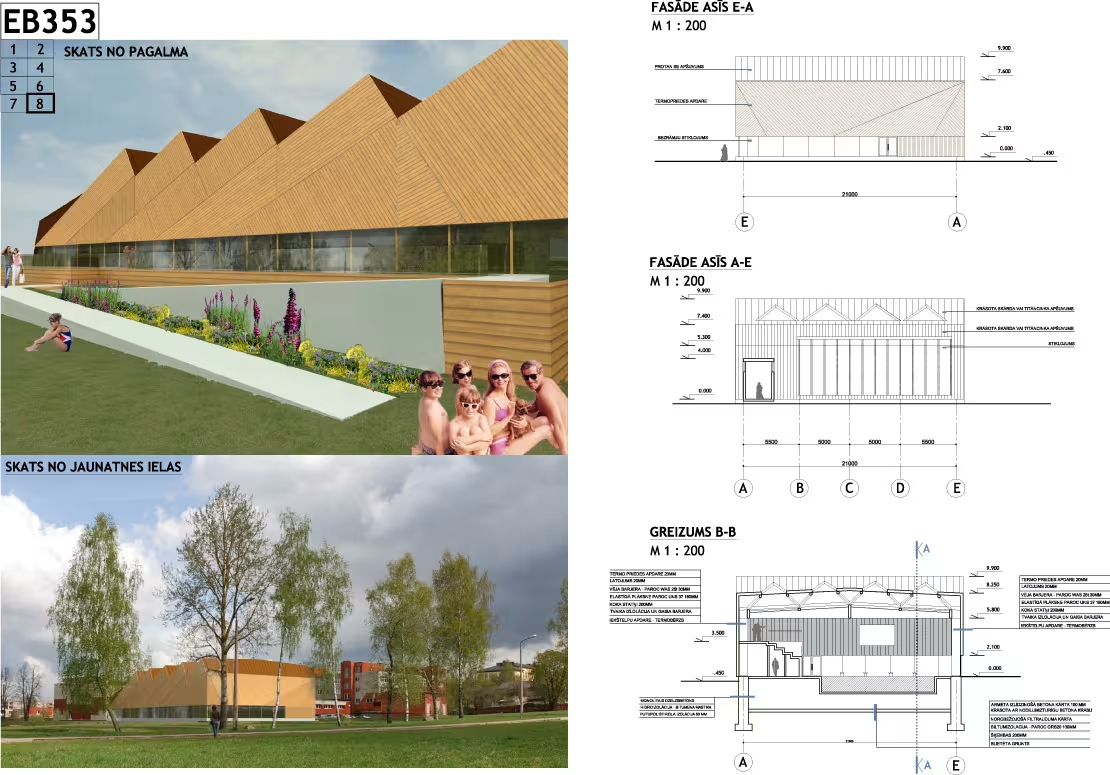
The most striking feature of the building is undoubtedly its roof silhouette. In traditional architecture, a roof is often just a passive element that sheds rain, but we envisioned it as an active participant that generates energy.
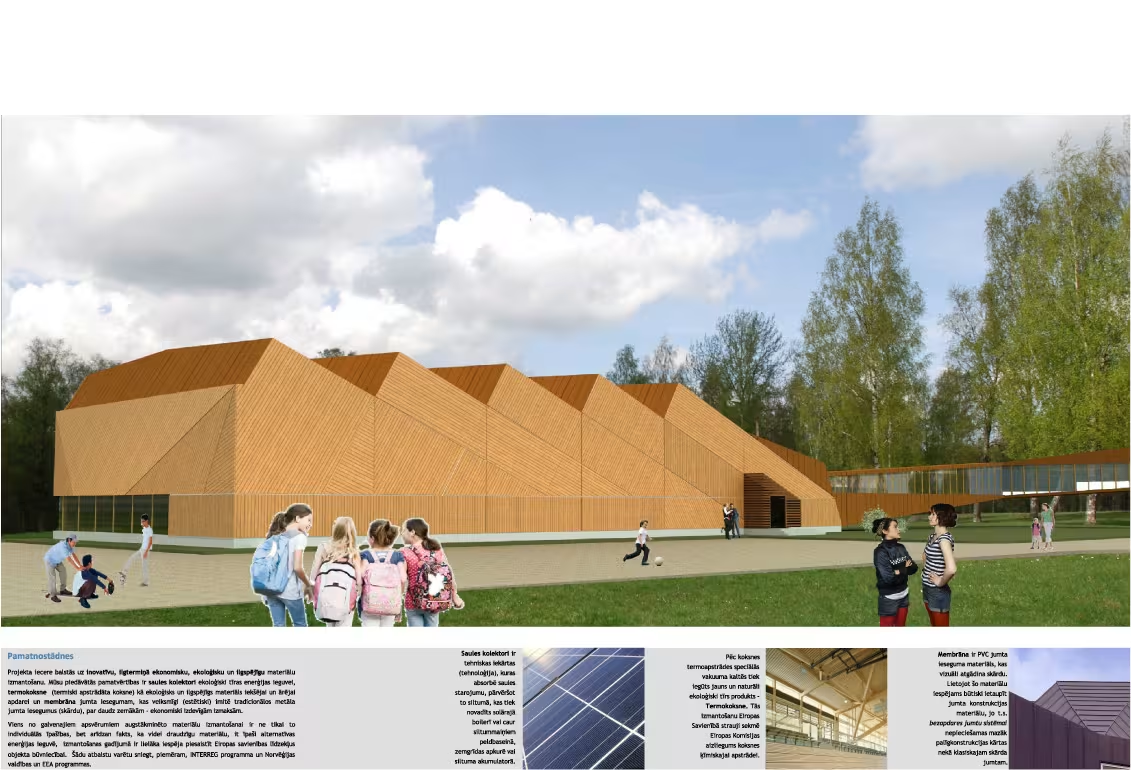
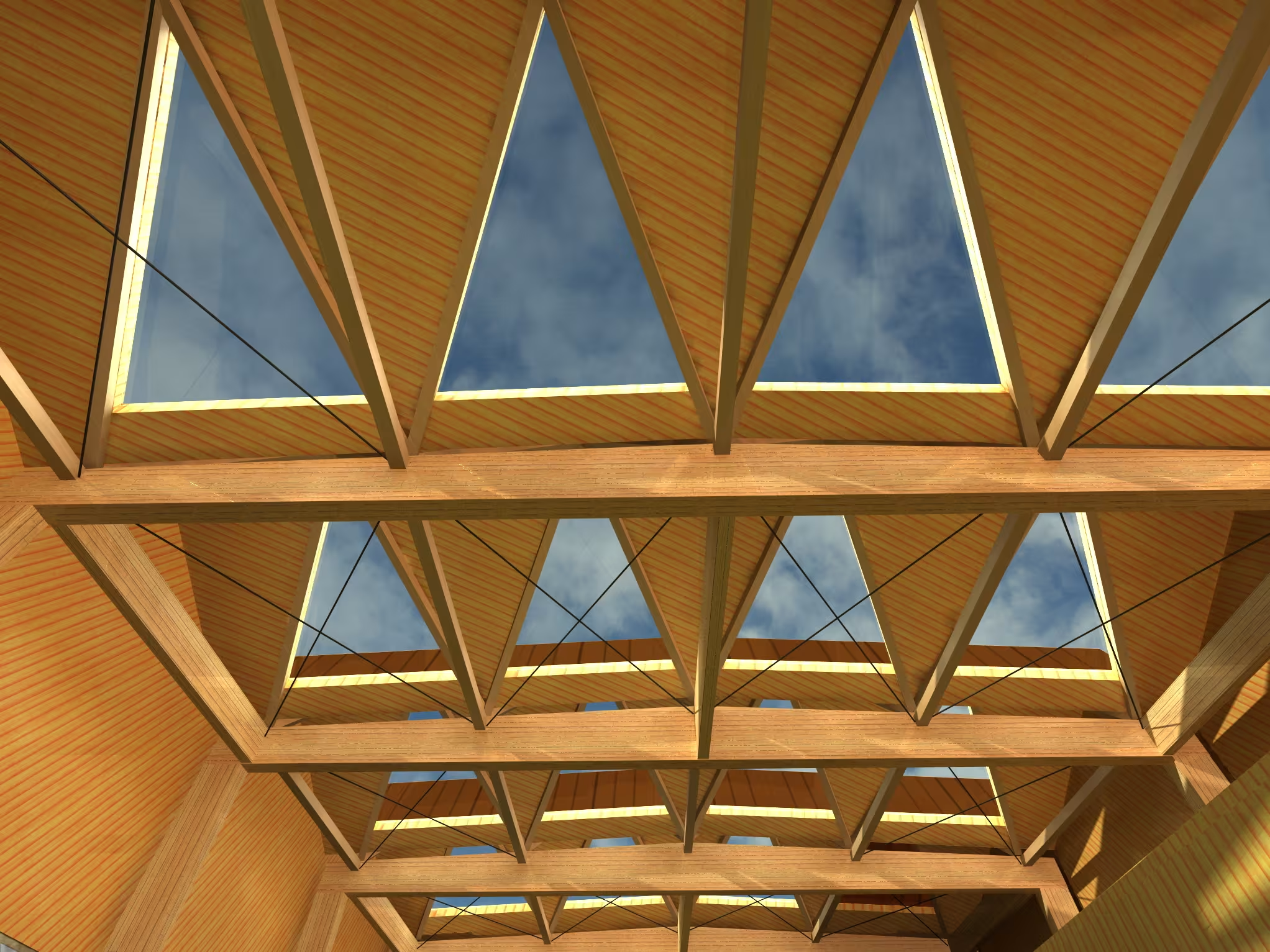
The distinctive sawtooth profile of the roof was not a random aesthetic choice. It was the result of a rigorous calculation to find the optimal inclination for solar panels at this specific latitude. This geometry exists to harness the power of the sun. While this shape is rooted in physics, it also creates a dynamic visual that references the waves of the water inside and the surrounding treetops. It is a prime example of form following performance.
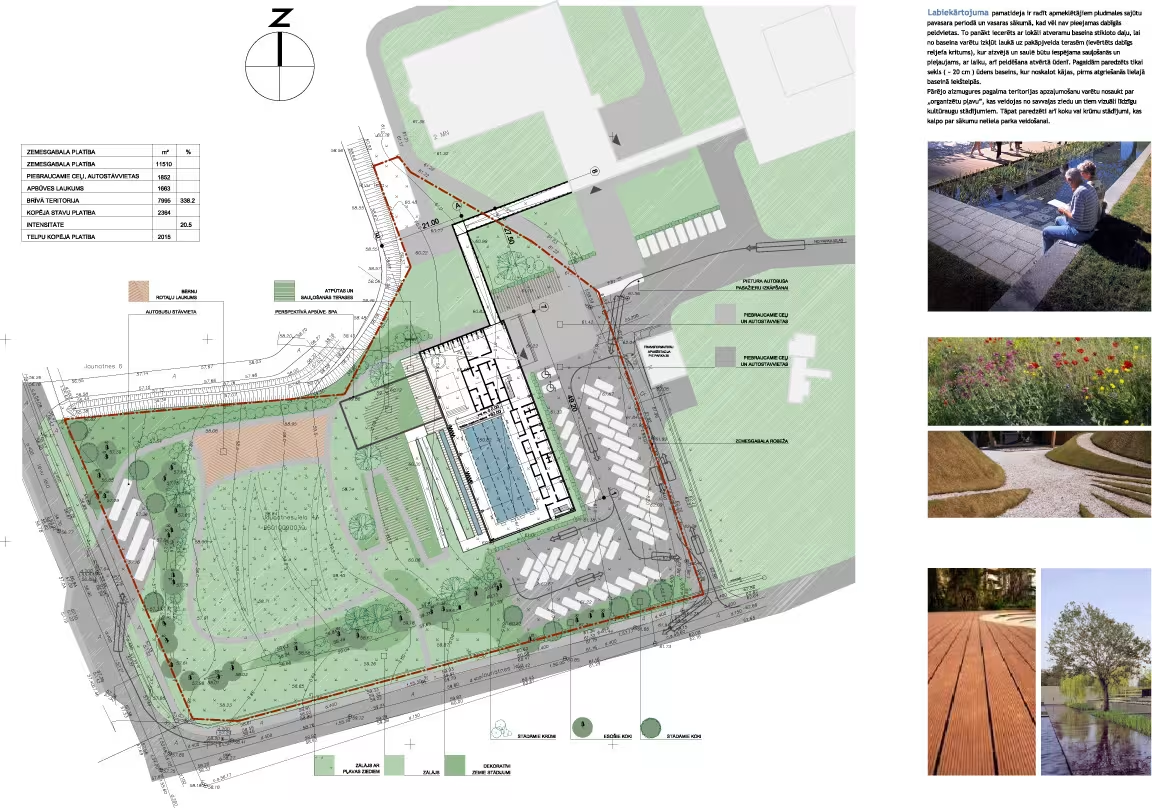
Sustainability as an Economic Strategy
Swimming pools are notoriously energy-intensive buildings due to the need for heating water and ventilating humid air. We treated this challenge as an opportunity to innovate. By integrating solar collectors and high-performance insulation, we proposed a building that generates a significant portion of its own energy.
This is crucial for the client, the Limbaži City Council, because lower utility bills mean more funds can be directed toward community programs. We firmly believe that for a public building to be socially responsible, it must first be economically sustainable.
Warmth Over Sterility
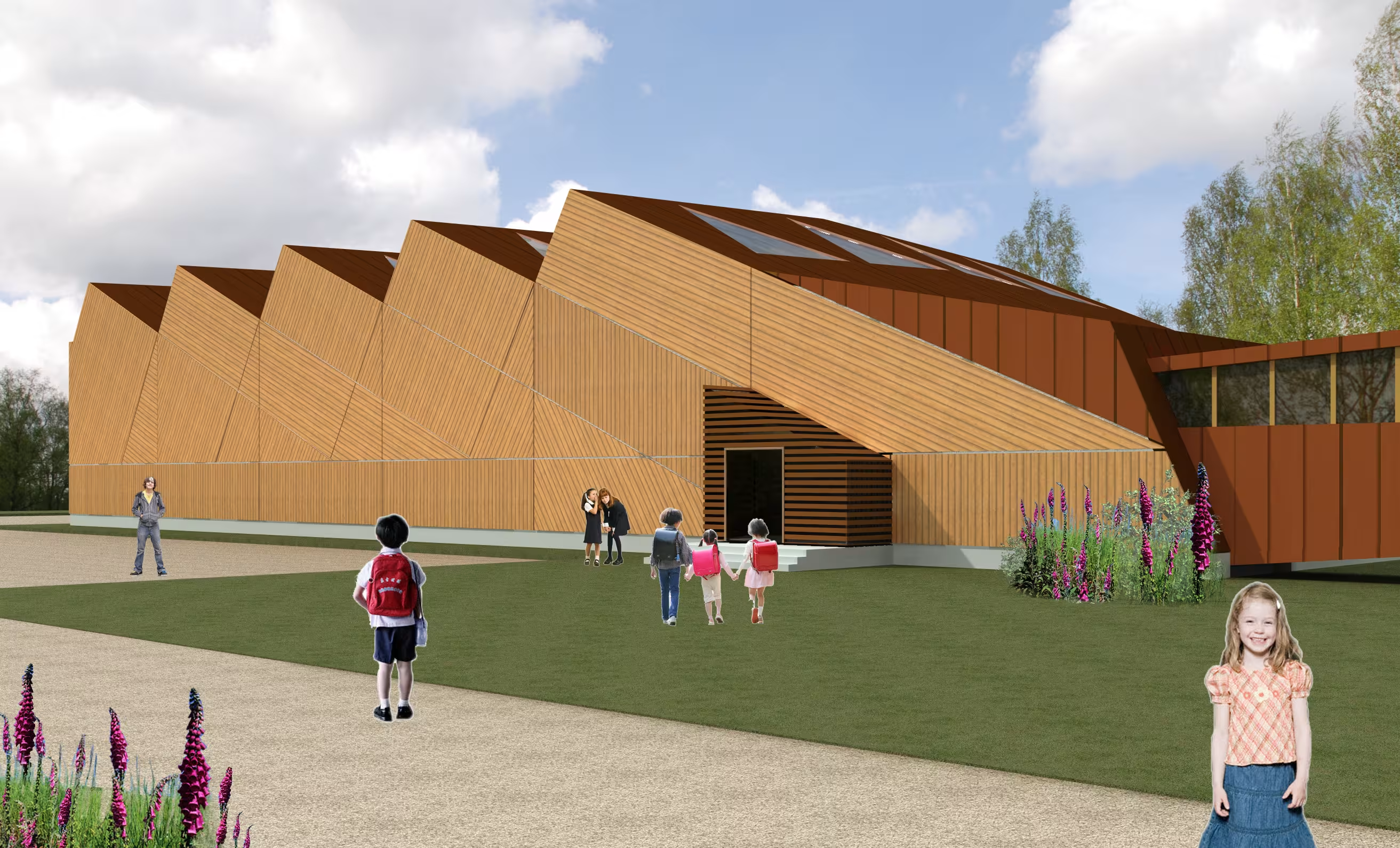
Public pools often suffer from a cold, sterile atmosphere dominated by tiles and concrete. We wanted to change that by prioritizing timber as our primary material to create a warm and welcoming environment.
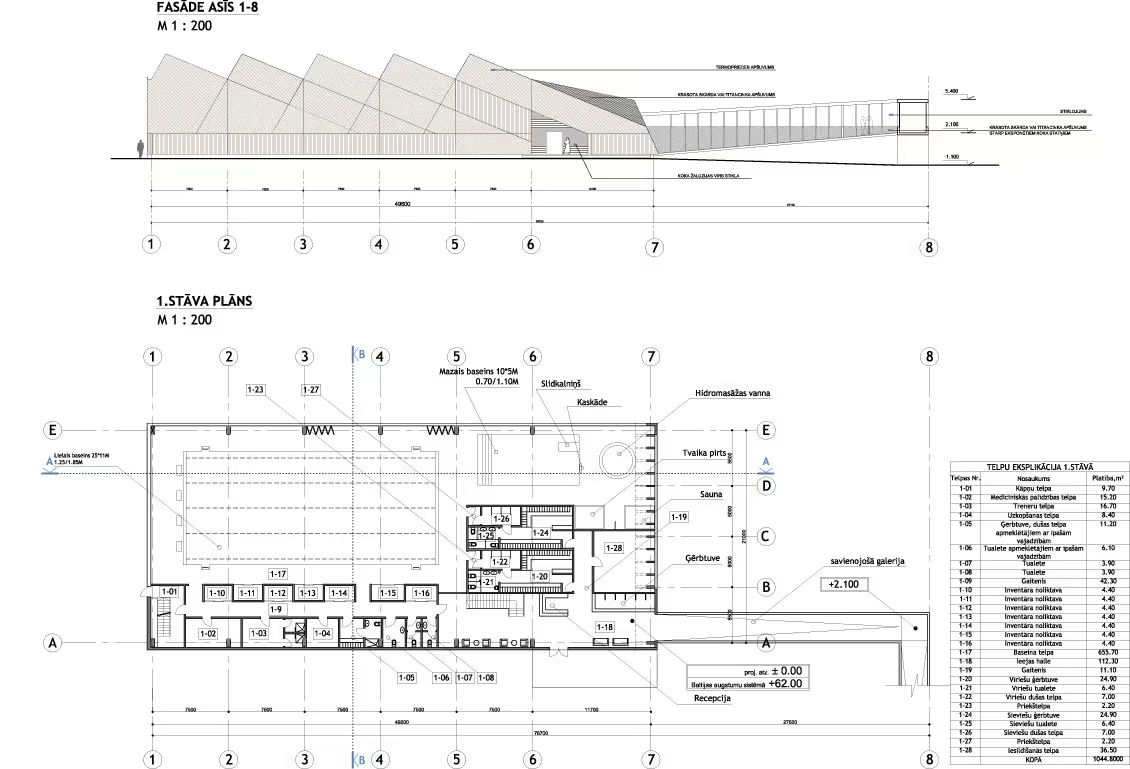
Using thermal wood cladding on the exterior and exposing massive wooden beams in the interior connects the building to the local vernacular. The warm tones of the wood contrast beautifully with the cool blue of the water, creating a calming, sensory experience. Inside, triangular skylights between the roof beams frame the sky, transforming a simple swim into a dialogue with nature.
A Space for Everyone
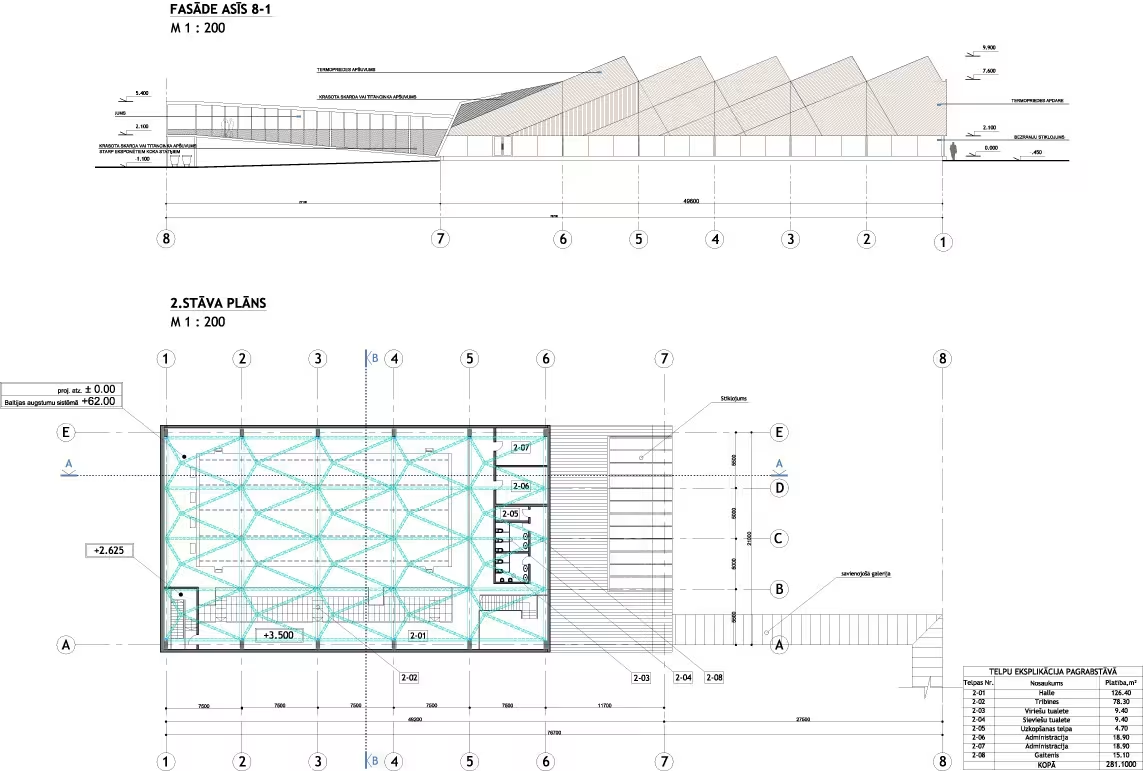
Functionally, the layout is driven by logic and user comfort. We designed a 25-meter pool for training and a smaller pool for children to ensure the facility serves the entire family.
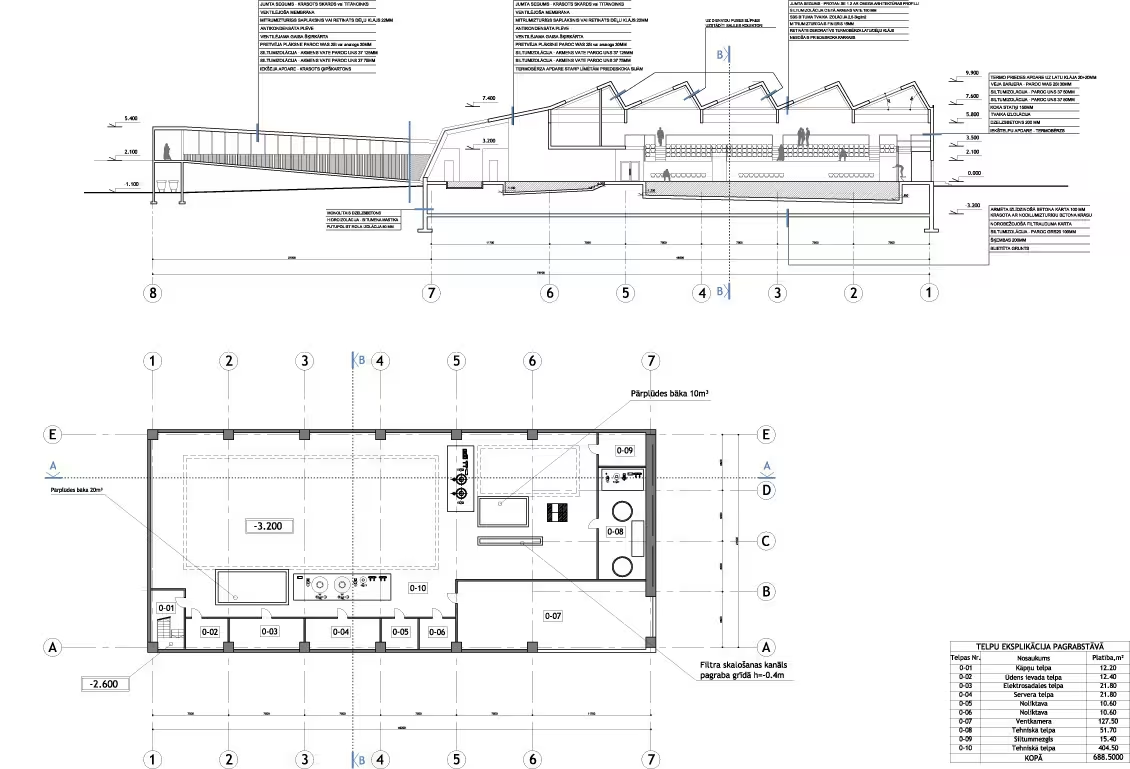
We also paid special attention to the changing rooms, ensuring they are spacious and hygienic with clear separation between shoe zones and barefoot zones. Beyond swimming, the inclusion of a sauna and jacuzzi transforms the facility into a wellness center where residents can decompress after a long week.
A Milestone for Our Studio
This comprehensive proposal was brought to life by Barbara Bula, Elīna Rožulapa, and Liene Līce. Although the project was awarded the 2nd Prize, we consider it a significant milestone. It allowed us to demonstrate that modern buildings can have a soul and that civic infrastructure can lead the way in the fight against climate change.
Why this solution matters professionally
From a professional architectural standpoint, the Limbaži City Pool proposal addresses a critical issue in municipal planning called "Lifecycle Cost Analysis."
Many municipalities struggle with swimming pools because, while they are popular, they are often the most expensive buildings to operate. They are essentially giant humidifiers that constantly lose heat. The solution proposed by Barbara Bula Arhitekti is significant because it shifts the focus from Capital Expenditure (the cost to build) to Operational Expenditure (the cost to run).
By shaping the roof specifically to maximize solar gain (the "sawtooth" design), the building becomes a power generator rather than just a power consumer. Furthermore, the use of biophilic design (using natural wood materials and visual connections to the park) is proven to lower heart rates and stress levels in users. This moves the project beyond being just a "sports facility" and makes it a genuine "public health tool."