
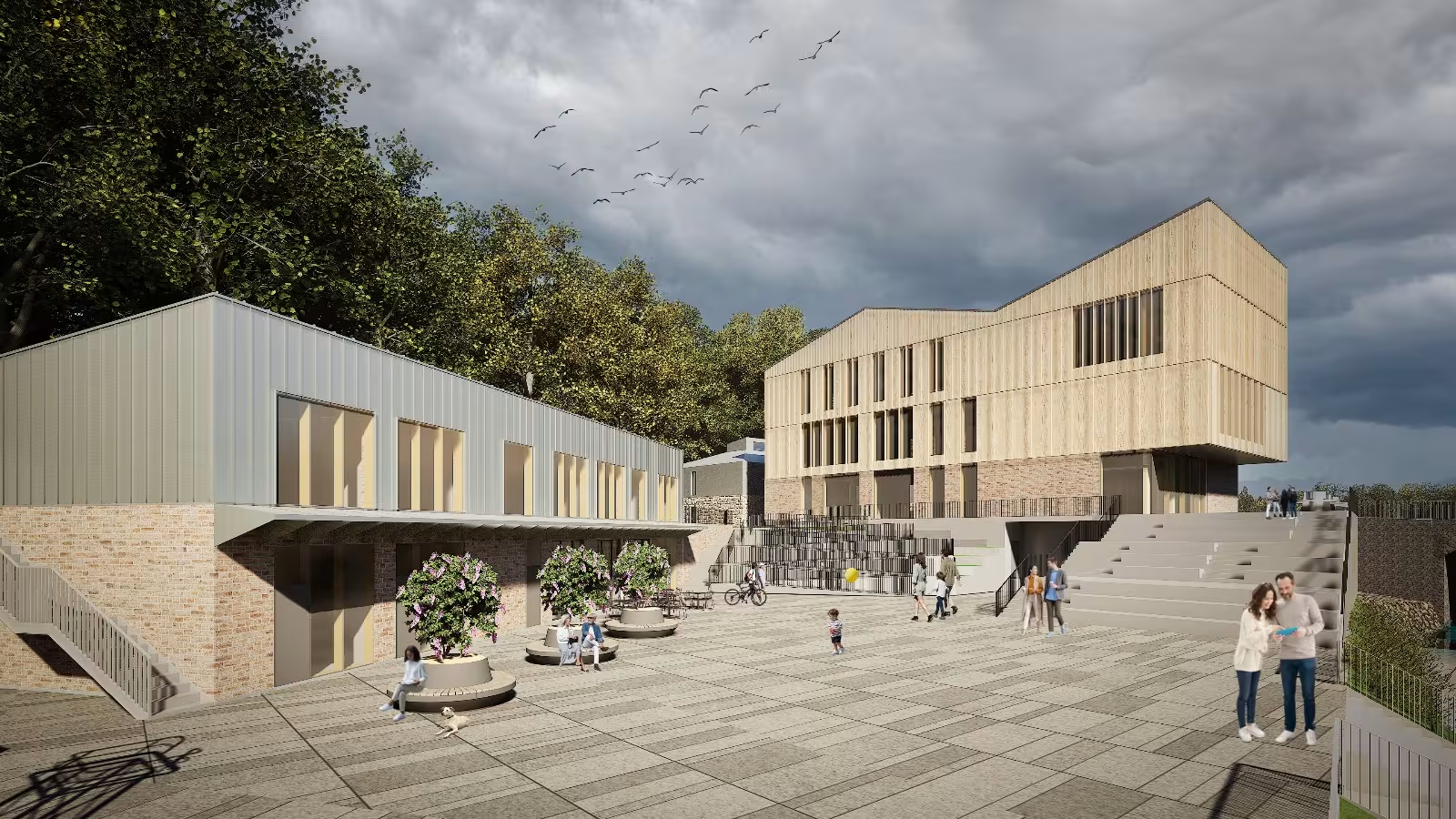
Competition, 1st Prize
The fundamental intention behind the Smiltene Viedrade Quarter project is to cultivate a vibrant and magnetic destination. It is designed to be a favorite place for the residents of Smiltene and guests alike. It is envisioned not merely as a collection of structures, but as a dynamic ecosystem where people can meet to exchange ideas, learn new skills, enjoy leisure time and develop thriving businesses.
The architectural and environmental design solutions proposed in the project tend to emphasise these values. The goal is to reflect them in a modern way while creating an accessible environment for all. It is a bold step forward in urban planning that merges the functional requirements of a modern civic center with the sensitive restoration of a historical landscape.
Contextual Integrity and Historical Resonance
The Viedrade Quarter is deeply rooted in the industrial legacy of Smiltene. The challenge as well as the triumph of this project lies in its ability to converse with history without mimicking it. Barbara Bula Arhitekti design team approached the site with a philosophy of adaptive reverence. Team acknowledged that while the function of the quarter is shifting from pure industry to a mixed-use cultural and commercial hub, the spirit of production and craftsmanship must remain.
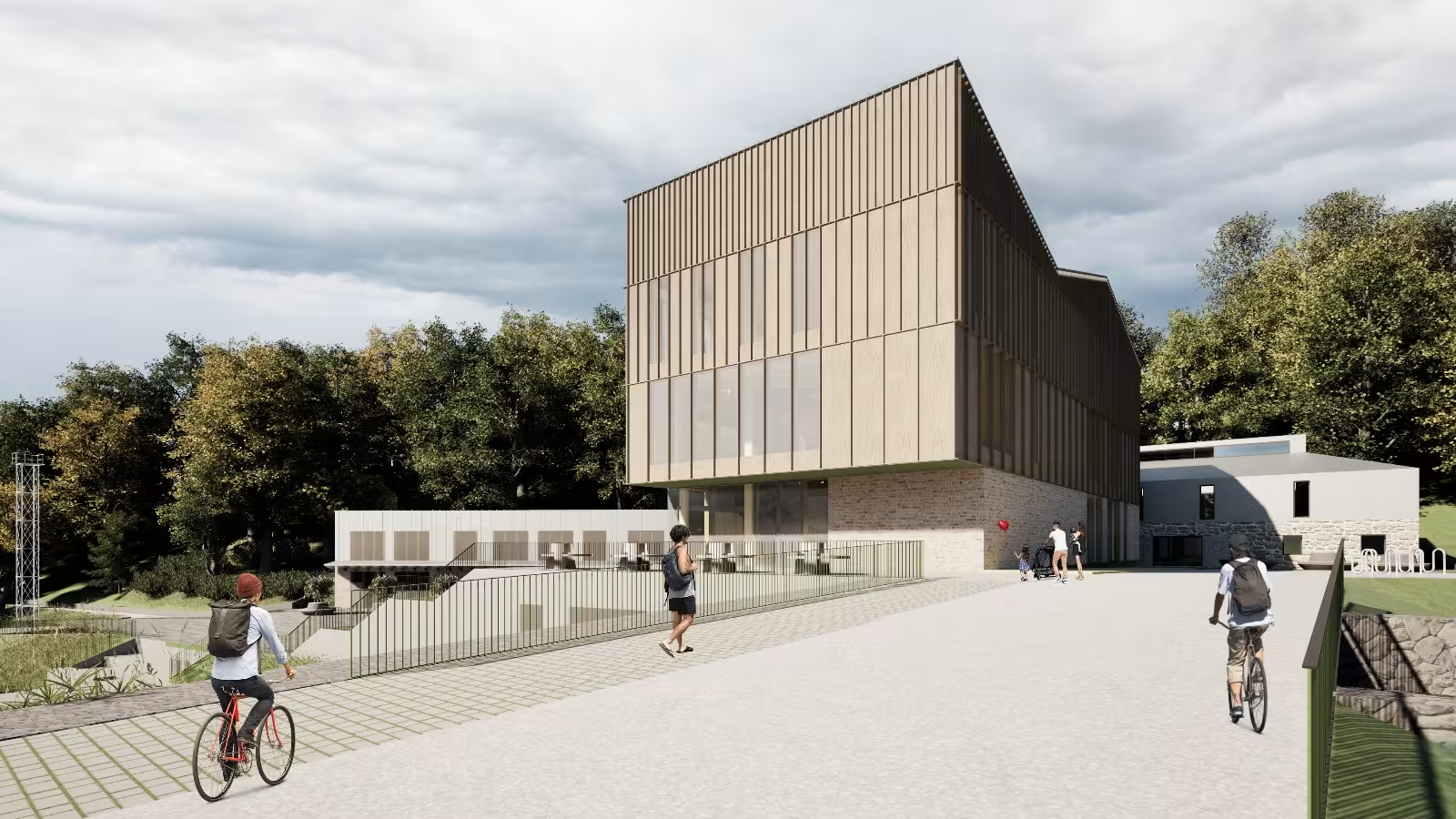
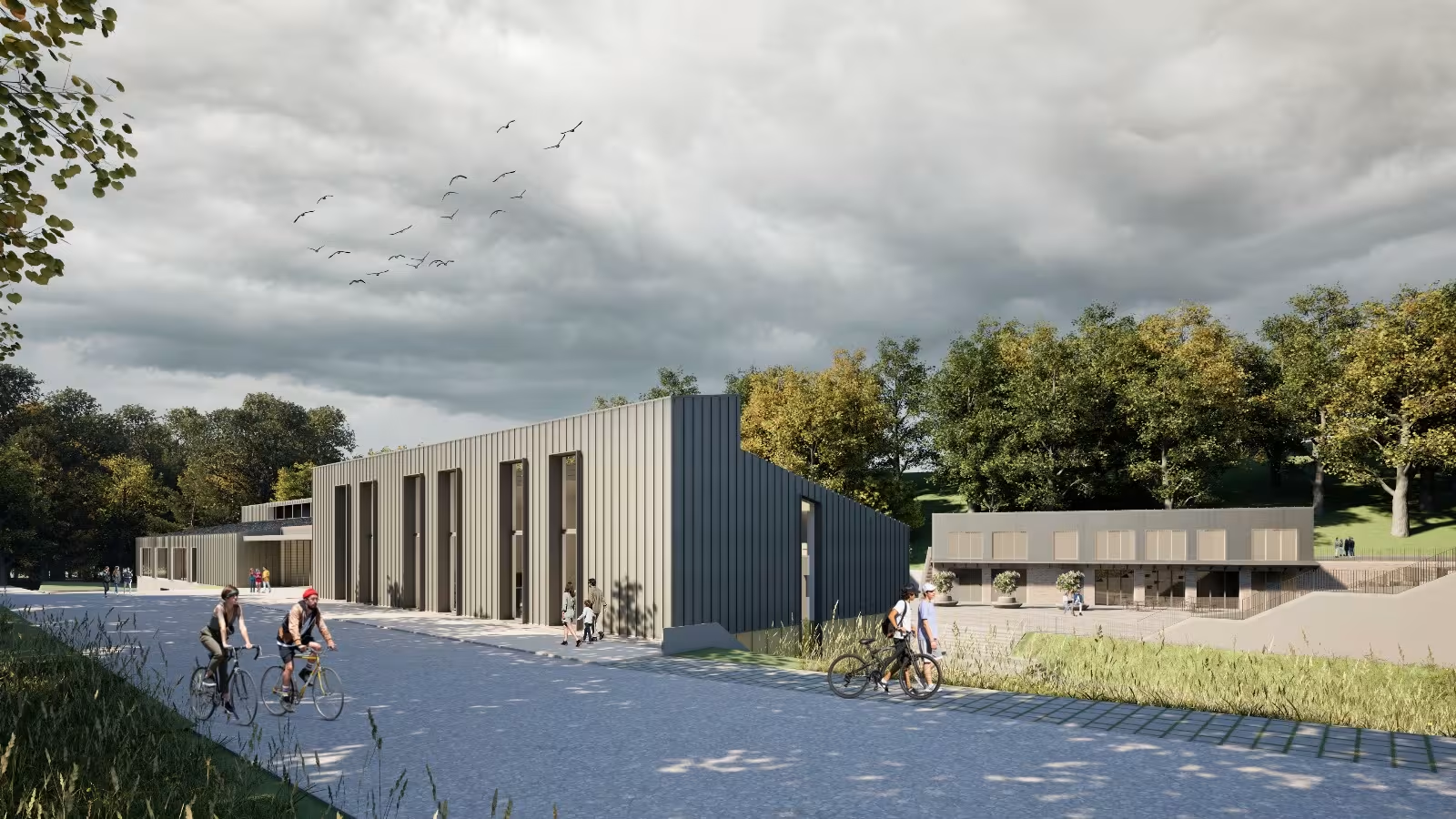
The volumes of existing buildings are visually designed a little differently to emphasize the variety and individuality of the structures. This avoids the monotony often found in new developments and instead offers a distinctive village aesthetic within a city. However, to maintain a cohesive visual identity, the buildings share a similar façade composition and materiality. These elements were chosen specifically in reference to the industrial history of the quarter. The interplay of textures involving brick, timber and glass serves as a tactile reminder of the site's productive past while being reimagined for a contemporary audience.
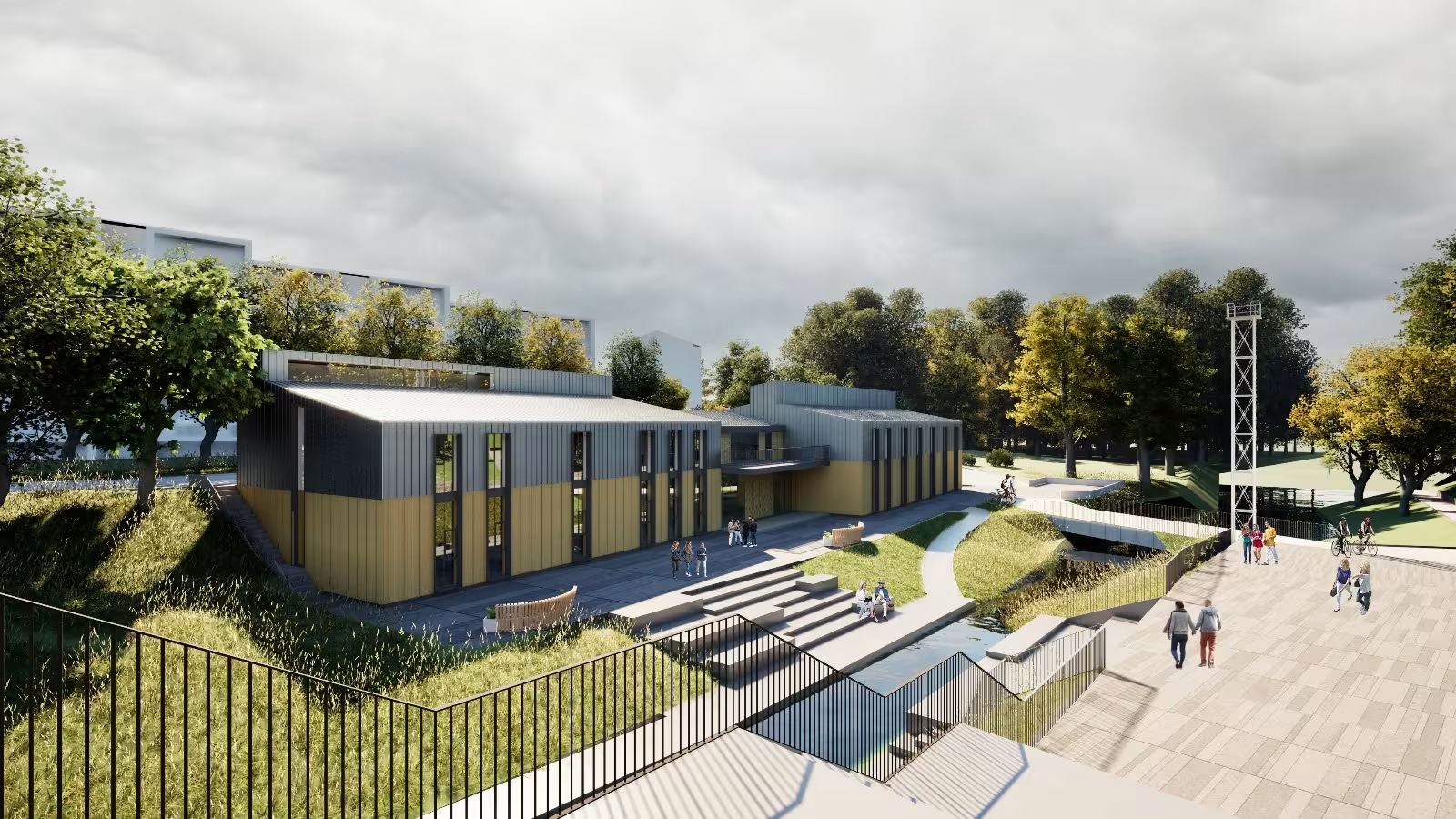
Hydro-Technical Landscape: The River Abuls
A defining feature of the site is the river Abuls. Wishing to emphasize the presence of water, the proposed solution foresees the lifting of the waterbed of the river. This is a significant hydro-technical and landscape intervention designed to transform the river from a background element into the protagonist of the public space. By raising the water level, the project increases the visual and acoustic presence of the water. This creates a calming and reflective surface that mirrors the new architecture.
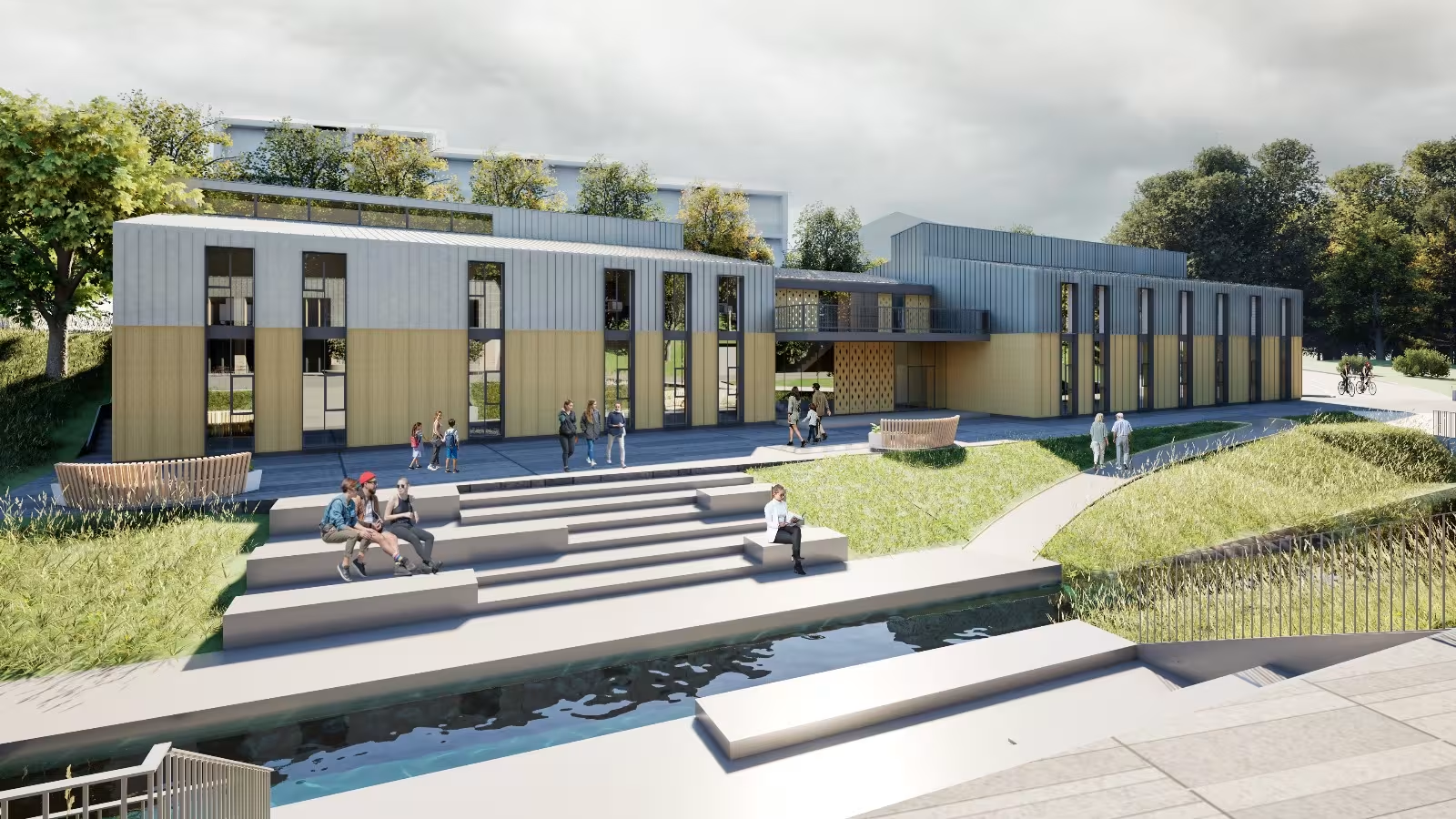
This intervention goes beyond aesthetics as it involves the comprehensive improvement of the riverbanks and the establishment of recreation areas along the water's edge. These blue zones are crucial for mental well-being. They offer residents a place to disconnect from the digital world and reconnect with nature. The design creates a dialogue between the built environment and the fluid dynamics of the river. This ensures that every view from the quarter is framed by the tranquility of water.
Universal Design
One of the most innovative aspects of the master plan is the approach to topography. The site's uneven terrain could have been a barrier. Instead, it became an opportunity for creative problem-solving. The project envisages the creation of two systems of landscaped ramps that would connect the different levels of land.
This creates a seamless flow that allows the area to be fully enjoyed by people with reduced mobility, parents with strollers and the elderly. However, true to the project's multifunctional ethos, these are not merely transit corridors. The ramps are designed with varying widths and plateau landings to allow them to function as informal amphitheaters. This solution allows the slopes to be used to enjoy open-air performances, concerts or community gatherings.
Furthermore, the design appeals to the active youth of Smiltene. The geometry of the concrete and stone elements turns the ramps into a playground for roller skates and skateboards. This integration of extreme sports infrastructure within a high-end architectural setting promotes social inclusion. It ensures that the quarter is vibrant and populated by different generations throughout the day.
The Role of the Public Building in Community Life
At the heart of the quarter lies the concept of the public building. This is defined as a social surrounding separate from the two usual social environments of home and the workplace. The premises are designed to be spacious and transformable, adhering to the principles of flexible architecture. In an era where work patterns and social habits are constantly evolving, a static building is an obsolete building.
The interior spaces of the Viedrade Quarter are conceived as blank canvases for community interaction. They can host a farmers' market in the morning, a co-working space in the afternoon and an art exhibition or conference in the evening. This versatility ensures that the public building remains relevant and economically viable for decades to come. The large spans and open floor plans allow for easy reconfiguration. This ensures that the architecture can adapt to future needs that we may not yet anticipate.
Sustainable Construction
In alignment with global sustainability goals and Latvia's rich tradition of forestry, prefabricated timber panels are planned to be used for the construction of new buildings. This decision offers numerous advantages over more conventional construction methods like concrete or steel.
First is the advantage of speed and precision. Prefabrication allows for building components to be manufactured in a controlled factory environment to ensure higher quality and precision. Assembly on-site is significantly faster, which reduces noise pollution and disturbance to the surrounding neighborhood.
Second is the benefit of carbon sequestration. Timber is the only major building material that grows naturally and renewable. By using mass timber products, the buildings essentially act as carbon vaults that lock away CO2 for the lifespan of the structure.
Third is the element of biophilic design. The exposed wood structure contributes to a warm and natural interior atmosphere. This has been proven to lower stress levels and increase productivity for occupants.
This commitment to timber construction places Smiltene at the forefront of the sustainable building wave in the Baltics and showcases how modern engineering can elevate traditional materials.
Energy Efficiency and Microgeneration
The ambition for the Smiltene Viedrade Quarter extends to its energy footprint. The project envisages various energy efficiency solutions to create a more self-sufficient and climate-neutral quarter.
Looking toward the future, the design includes infrastructure for the quarter to potentially become a microgeneration hub. By integrating solar panels on the expansive roof surfaces and potentially harnessing the kinetic energy of the river Abuls where ecologically appropriate, the quarter could generate a significant portion of its own electricity. This moves the project towards a Net Zero status to reduce operational costs for businesses and set a benchmark for responsible development in the region.
A Catalyst for Development
The Smiltene Viedrade Quarter is more than a construction project. It is a catalyst for social and economic revitalization. By combining high-quality architecture, thoughtful landscape design and sustainable technology, it creates a unique destination that honors the past while boldly stepping into the future.
It is a place designed for connection. It aims to connect the city to the river, the past to the present and people to one another. Whether one visits to work, to skate, to watch a performance or simply to sit by the water, the Viedrade Quarter offers a welcoming, accessible and inspiring environment. It stands as a testament to the potential of Smiltene to be a leader in urban livability and architectural innovation.